
Escucha gratis este podcast en la aplicación: Descarga gratuita en la App Store
radio.es
Sleep timer
Favoritos
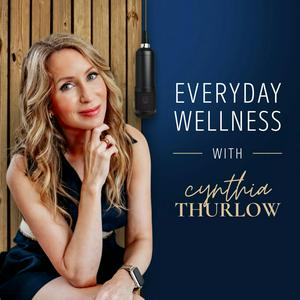
Everyday Wellness: Midlife Hormones, Menopause, and Science for Women 35+
Everyday Wellness™
Último episodio
788 episodios
BONUS: Peri/Menopause are a Natural Function of Aging: See you later, Ovulator! | Perimenopause, Menopause, Hormone Health
26/10/2026 | 1 h 3 minI am honored to connect with Esther Blum today! She is the bestselling author of "Cavewomen Don’t Get Fat," "Eat, Drink and Be Gorgeous," and most recently, "See Ya Later, Ovulator!" Esther currently maintains a busy virtual practice where she helps women balance hormones, lose stubborn body fat, and treat the root cause of health struggles.
Today we speak about medical gaslighting, how weight gain does not have to be a part of aging, andropause and menopause, and the Women’s Health Initiative. We dive into physical changes and significant symptoms during perimenopause and menopause, the role of the pelvic floor, deciphering what the dreaded “menopot” is, what does not work, and advocacy in terms of testing and hormones. We also address constipation, weight loss resistance, and how our tolerance for alcohol changes as we age, especially when using bioidenticals or hormone replacement therapy.
I hope you love today’s conversation with Esther Blum as much as I did!
IN THIS EPISODE YOU WILL LEARN:
How women can redefine their experience and continue having an active sex life after menopause.
How to surrender, lean in, and take the pressure off yourself while going through perimenopause and menopause.
Why is there so much misinformation and medical gaslighting in our society?
Why Esther wrote See Ya Later, Ovulator!
Some common symptoms of perimenopause.
Risks women may face after a hysterectomy.
Changes that happen in the vaginal canal and pelvic floor during menopause.
The significant and profound impact of the decline of sex hormones.
How to avoid weight gain in menopause.
What can menopausal women do to prevent fatty liver and digestive problems?
Lab tests women should ask their healthcare providers for.
Why should perimenopausal women avoid alcohol?
Some simple ways to address constipation.
Esther’s quotes:
“You don’t have to gain weight in menopause.”
“The better your gut health, the better your transition through menopause will be.”
“Hormones are like a symphony. They’re not a solo act.”
“Even if you have gained weight, even if you have cellulite and wrinkles and hair loss, it does not have to be permanent at all.”
“You can have an active sex life, you can have absolute arousal, you can still have raging orgasms, even after menopause!”
Connect with Cynthia Thurlow
Cynthia’s website.
Check out the Everyday Podcast on Instagram! www.instagram.com/everydaywellnesspodcast
Follow on X, Instagram & LinkedIn
Submit your questions to support@cynthiathurlow.com
Join other like-minded women in a supportive, nurturing community: The Midlife Pause/Cynthia Thurlow.
Purchase Cynthia’s book, The Menopause Gut.
Cynthia’s Intermittent Fasting Transformation Book
The Midlife Pause Supplement Line
Connect with Esther Blum
On her website
Facebook, Instagram, LinkedIn
Get your free copy of Esther’s Happy Hormone Cocktail
Esther’s books, including See Ya Later, Ovulator!, are available HERE.Ep. 659 Menopause, Cellular Health, and Stress Resilience with Dr. Bill Rawls | Cellular Health, Menopause, Stress Resilience
24/10/2026 | 1 h 19 minToday, I’m delighted to reconnect with Dr. Bill Rawls, a physician with over 30 years of medical experience. His personal battle with chronic Lyme disease led him to explore holistic and herbal therapies. After restoring his health, he became a leading voice in cellular wellness and modern herbology. He founded Vital Plan, where he developed the RESTORE180 Herbal Protocol to help others reclaim their health, and he is the best-selling author of Unlocking Lyme and The Cellular Wellness Solution.
In our conversation, Dr. Rawls and I discuss midlife vulnerability, including the loss of stress resilience, the impact of peak fertile years, perimenopause, and menopause, and how these directly impact cellular and lifestyle stressors. We explore chronic illness as a cellular problem, how we live in a state of managed illness, and five stress factors that add to cumulative cellular stress. We discuss tick-borne illnesses, adaptations and dormancy, how autophagy may impact cellular stress, detoxification, inflammation, sympathetic tone, and key herbs to support detoxification. Dr. Rawls also shares his love for adaptogens, especially ashwagandha, and their impact on stress resilience, along with his recommendations for nutrition, intermittent fasting, and books.
Stay tuned for a truly invaluable conversation about why many women in midlife, despite being on optimal hormone therapies, still don’t feel any better—and how it all goes back to cellular stress and mitochondrial health.
IN THIS EPISODE, YOU WILL LEARN:
How mitochondrial dysfunction and cellular aging contribute to symptoms midlife women and men may experience
Why perimenopause may cause cellular stress and dysfunctional cellular messaging
What happens to our cells and mitochondria as we begin to age?
Dr. Rawls explains why he describes chronic illness as a cellular problem
The five major stress factors that impact cellular health
How certain microbes, including tick-borne microbes and herpes viruses, can remain dormant in the body and reactivate with stress, menopause, or aging
Why Dr. Rawls describes autophagy as an essential cellular housekeeping process
Why detoxification requires far more than a periodic cleanse or detox
Dr. Rawls describes his process for integrating adaptogens into the lifestyles or protocols of midlife women and men
Dr. Rawls shares some critical strategies for healthy aging
Bio:
Dr. Bill Rawls is a physician with over 30 years in medicine whose own battle with chronic Lyme disease led him to explore holistic and herbal therapies. After restoring his health, he became a leading voice in cellular wellness and modern herbology. He is the bestselling author of Unlocking Lyme and The Cellular Wellness Solution, and the founder of Vital Plan, where he developed the RESTORE180 herbal protocol to help others reclaim vibrant health.
** For more information about Cynthia's upcoming retreat, visit https://www.cynthiathurlow.com/ and click the Events tab.
Connect with Cynthia Thurlow
Check out Cynthia’s website.
Check out the Everyday Podcast on Instagram! www.instagram.com/everydaywellnesspodcast
Follow on X, Instagram & LinkedIn
Submit your questions to support@cynthiathurlow.com
Join other like-minded women in a supportive, nurturing community: The Midlife Pause/Cynthia Thurlow.
Purchase Cynthia’s book, The Menopause Gut.
Cynthia’s Intermittent Fasting Transformation Book
The Midlife Pause Supplement Line
Connect with Dr. Bill Rawls
On his website
Vital Plan
Dr. Rawls’s most recent book, The Cellular Wellness Solution
Recommended Books:
Adaptogens: Herbs for Strength, Stamina, and Stress Relief by David Winston
Adaptogens in Medical Herbalism: Elite Herbs and Natural Compounds for Mastering Stress, Aging, and Chronic Disease by Donald Yance
Books by Rosemary GladstarEp. 658 Cortisol, Trauma, and the HPA Axis | Cortisol, Cortisol Testing, HPA Axis
22/10/2026 | 27 minWelcome to the latest Midlife Minute.
In today’s episode, I answer listeners' questions about cortisol testing, trauma, and the HPA axis.
Stay tuned for more!
IN THIS EPISODE, YOU WILL LEARN:
How generalized stress-related dysregulation differs from clinical conditions involving cortisol excess or deficiency
Why cortisol testing should be anchored to a person's actual sleep schedule rather than the clock
Why a single random cortisol blood draw means almost nothing when assessing HPA axis function
How cortisol can shift from an elevated response to a lower, blunted response as stress and trauma persist
Why a low or flat cortisol curve in someone with trauma or PTSD does not automatically mean adrenal insufficiency
How chronic stress can disrupt the negative feedback loop that keeps cortisol regulated
The adaptogen with the strongest evidence for lowering morning cortisol
How chronic psychological stress is associated with measurably lower ovarian reserve
** For more information about Cynthia's upcoming retreat, visit https://www.cynthiathurlow.com/ and click the Events tab.
Connect with Cynthia Thurlow
Cynthia’s website.
Check out the Everyday Podcast on Instagram! www.instagram.com/everydaywellnesspodcast
Follow on X, Instagram & LinkedIn
Submit your questions to support@cynthiathurlow.com
Join other like-minded women in a supportive, nurturing community: The Midlife Pause/Cynthia Thurlow.
Purchase Cynthia’s book, The Menopause Gut.
Cynthia’s Intermittent Fasting Transformation Book
The Midlife Pause Supplement LineEp. 657 Burnout, Hormones, and the HPA Axis with Dr. Tanya Beaubrun | Hormones, Burnout, HPA Axis
21/10/2026 | 1 h 9 minToday, I’m excited to connect with Dr. Tanya Beaubrun, a family medicine physician specializing in functional integrative medicine, and a certified wellness and transformational coach. Dr. Beaubrun is also a motivational speaker and the author of Held and Healed.
In our conversation, we discuss burnout and hormones, exploring how many women treat being busy as a badge of honor, and why it's important to reframe midlife and beyond. We unpack how the HPA axis regulates the body’s stress response, and look at metabolic health, the importance of advocacy, and the markers Dr. Beaubrun uses to manage her patients’ metabolic health. We also cover nutrition, Doctor TikTok, reframing menopause as power, and how this empowering time in women’s lives can help them come to terms with aging and longevity, and allow the younger generations to see what is possible.
Stay tuned for today’s delightfully personal and highly informative conversation with Dr. Tanya Beaubrun.
IN THIS EPISODE, YOU WILL LEARN:
Why burnout can often go unrecognized in high-functioning women
Dr. Beaubrun explains how she assesses metabolic health and the testing she uses
How hormonal decline in midlife can affect the way women experience stress
What the HPA axis is designed to do in the body
How women need to be listened to by their clinicians without judgment
The metabolic and cardiovascular changes that women experience in midlife
How Dr. Beaubrun helps women to focus on protein and nutrient density when they are busy
Why healthy eating does not mean you have to avoid all the foods you love
How healthcare providers can move from a paternalistic approach to a collaborative relationship with patients
Reframing menopause as a powerful stage of life
Bio:
Dr. Tanya Beaubrun is a Functional and Integrative Medicine physician, wellness educator, speaker and author of Held and Healed. After more than 30 years in medicine—and following her own journey through burnout and recovery—she now helps women reconnect with their health by addressing the root causes of stress, hormonal imbalance and metabolic dysfunction.
Through her signature More Joy Method®, Dr. Tanya combines evidence-based medicine with compassionate whole-person care, empowering women to realize they are not broken—they simply need the right support to heal, thrive and rediscover joy.
Connect with Cynthia Thurlow
Follow on X, Instagram & LinkedIn
Check out Cynthia’s website.
Submit your questions to support@cynthiathurlow.com
Join other like-minded women in a supportive, nurturing community: The Midlife Pause/Cynthia Thurlow.
Purchase Cynthia’s book, The Menopause Gut.
Cynthia’s Intermittent Fasting Transformation Book
The Midlife Pause Supplement Line
Connect with Dr. Tanya Beaubrun
On her website
Instagram
Dr. Beaubrun’s new book, Held and HealedBONUS: Navigating Female Hormones, Metabolism, Sleep and More with Dr. Stephanie Estima | Hormones, Metabolism, Sleep
19/10/2026 | 1 h 14 minI am thrilled to welcome the extraordinary Dr. Stephanie Estima back to the show today to join me in facilitating many questions from listeners. She was with me last on Episode 272, and before that, on Episode 123.
Dr. Estima’s perspective aligns very closely with mine within the health and wellness space. She is an exceptionally knowledgeable and well-informed clinician specializing in female metabolism and body composition. She authored the invaluable resource known as the Betty Body and hosts The Better! podcast, where I have had the privilege of being her guest.
Today, we answer questions from both our communities, covering topics ranging from managing hormones during breastfeeding while coping with insufficient sleep to issues concerning preconception and methods for cycle tracking. We dive into the best contraceptives for younger women, strategies for supporting detoxification, addressing fibrocystic breasts, navigating autoimmune conditions and fibromyalgia, and determining the intensity of workout routines. There were also many questions about weight training, preferred pre-workouts, favorite supplements tailored for perimenopause and menopause, hormesis, and much more.
Dr. Estima's insights are as enlightening as ever, making today’s conversation a must-listen for anyone on a journey toward optimal well-being.
IN THIS EPISODE YOU WILL LEARN:
How breastfeeding can delay menstrual cycles without causing infertility
Dr. Stephanie discusses fertility and the importance of evaluating both male and female factors
Contraceptive options for younger women
The importance of understanding the side effects and implications of long-term oral contraceptives
The benefits of green leafy vegetables for fibrocystic breasts
Supplements for breast health
The potential drawbacks of mammograms
Perimenopause and autoimmune conditions, including Hashimoto's, thyroiditis, and fibromyalgia
How trauma contributes to the dysregulation of the immune system and autoimmune conditions
Supplements for middle-aged women
How cold plunges and saunas benefit physical and mental well-being
Connect with Cynthia Thurlow
Cynthia’s website.
Check out the Everyday Podcast on Instagram! www.instagram.com/everydaywellnesspodcast
Follow on X, Instagram & LinkedIn
Submit your questions to support@cynthiathurlow.com
Join other like-minded women in a supportive, nurturing community: The Midlife Pause/Cynthia Thurlow.
Purchase Cynthia’s book, The Menopause Gut.
Cynthia’s Intermittent Fasting Transformation Book
The Midlife Pause Supplement Line
Connect with Dr. Stephanie Estima
On Instagram
On her weekly podcast, Better! With Dr. Stephanie, where she explores the human potential, hormones, metabolism, and a life well-lived.
Get a copy of Dr. Stephanie Estima’s #1 bestselling book, The Betty Body: A Geeky Goddess’ Guide to Intuitive Eating, Balanced Hormones, and Transformative Sex
Previous Episodes featuring Dr. Stephanie
Ep. 123 – Menstruation, Muscle, Maternity, & Metabolism: What Every Woman Should Know with Dr. Stephanie Estima
Ep. 272 Understanding Women’s Health: Answering Your FAQs featuring Dr. Stephanie Estima
Más podcasts de Ciencias





Podcasts a la moda de Ciencias










Acerca de Everyday Wellness: Midlife Hormones, Menopause, and Science for Women 35+
Looking for the latest strategies for dealing with menopause, hormones and midlife health issues? You're in the right place!
Cynthia Thurlow is a nurse practitioner, host of the Everyday Wellness podcast, author and international speaker, with over 15 million views for her second TEDx talk (Intermittent Fasting: Transformational Technique).
With over 25 years experience in health and wellness, Cynthia is a globally recognized expert in perimenopause/menopause and intermittent fasting, and has been featured on ABC, FOX5, KTLA, CW, Medium, Entrepreneur, and The Megyn Kelly Show. Her mission is to help empower women to live their most optimal lives in perimenopause and beyond.
Sitio web del podcastEscucha Everyday Wellness: Midlife Hormones, Menopause, and Science for Women 35+, Espacio en blanco y muchos más podcasts de todo el mundo con la aplicación de radio.es
Descarga la app gratuita: radio.es
- Añadir radios y podcasts a favoritos
- Transmisión por Wi-Fi y Bluetooth
- Carplay & Android Auto compatible
- Muchas otras funciones de la app
Descarga la app gratuita: radio.es
- Añadir radios y podcasts a favoritos
- Transmisión por Wi-Fi y Bluetooth
- Carplay & Android Auto compatible
- Muchas otras funciones de la app
Everyday Wellness: Midlife Hormones, Menopause, and Science for Women 35+
Escanea el código,
Descarga la app,
Escucha.
Descarga la app,
Escucha.
Everyday Wellness: Midlife Hormones, Menopause, and Science for Women 35+: Podcasts del grupo
 España