

Escucha gratis este podcast en la aplicación: Descarga gratuita en la App Store
radio.es
Sleep timer
Favoritos
326 episodios
327: The Parenthood Pivot: Supporting Parents, Retention, and Resilience at Work with Dr. Anjali Agrawal
07/01/2026 | 25 minParenthood is one of the most demanding life transitions, yet it remains one of the least supported phases in the workplace, especially for women starting families after age 35. In this episode, Dr. Anjali Agrawal, founder of Back in Balance and an integrative chiropractor and functional nutrition specialist, shares why pregnancy, postpartum, and the return-to-work period are silent drivers of burnout, disengagement, and attrition.
Drawing from 18+ years of clinical practice, corporate wellness experience, and her own journey as a mother, Dr. Anjali introduces her Five Trimesters of Health framework. She explains how proactive, nervous-system-centered support can protect leadership pipelines, strengthen culture, and help employees stay engaged through one of life’s most critical transitions. This conversation bridges personal health, workplace performance, and long-term retention with practical strategies leaders can apply immediately.
Takeaways
Parenthood is a major retention risk when support is missing
Many women disengage or exit during mid-career parenting years
Policies alone don’t address real pregnancy and postpartum needs
Nervous system regulation impacts burnout and performance
Proactive support improves engagement before and after leave
Partner support reduces stress and improves focus at work
Education shifts culture around stress and productivity
Personalized wellness outperforms generic programs
Structure, function, and emotional capacity must work together
Topics discussed in this episode:
The Five Trimesters of Health framework
Pregnancy and postpartum support for employees 35+
Retention challenges during parenthood transitions
Burnout, disengagement, and presentism at work
Nervous system regulation and stress resilience
Structure, function, and emotional capacity as pillars of health
Supporting employees before leave and after return-to-work
Including partners in workplace wellness support
Education-driven culture change
Personalized vs generic wellness programs
BUSINESS RESOURCES:
▶ ▶ Save your spot for my FREE Messaging That Sells Masterclass: https://burnouttoallout.co/mts/
▶ FREE Daily Lead Gen Checklist:326: Nail It or Fail It: How to Flip with Strategy, Not Stress with Shelley Visser
06/01/2026 | 35 minIn this episode of the Burnout to All Out Podcast, Melissa sits down with longtime real estate investor and renovation expert Shelley Visser, an Elevate 360 mastermind member with nearly 30 years of house-flipping experience. Shelley pulls back the curtain on what really happens behind the drywall and why flipping houses is not a TV show, it’s a business.
From her first flip in 2008 right before the housing crash, to learning costly lessons through trial and error, Shelley shares the hard-earned systems, mindset shifts, and strategies that helped her flip with confidence instead of chaos. This conversation is equal parts practical, honest, and refreshingly real, especially for anyone considering flipping without a construction background.
If you’ve ever underestimated renovation timelines, ignored slush funds, or thought flipping would be “easy,” this episode is your wake-up call and your roadmap.
Takeaways
Flipping houses is a business, not a hobby or a TV episode
Most early mistakes come from not running the numbers correctly
Systems, checklists, and timelines are what reduce stress and risk
Market shifts, permit delays, and contractor issues must be planned for
Slush funds are non-negotiable because surprises will happen
Emotional decisions can quickly turn a flip into a loss
Community impact and neighborhood awareness matter in resale value
You don’t need construction skills, you need the right team and systems
Topics discussed in this episode:
real estate flipping as a business
risks and rewards of house flipping
after repair value (ARV) calculations
holding costs, taxes, and capital gains
contractor management and permit delays
market timing and real estate cycles
renovation systems and checklists
slush funds and risk mitigation
flipping without a construction background
running renovations with strategy instead of stress
BUSINESS RESOURCES:
▶ ▶ Save your spot for my FREE Messaging That Sells Masterclass: https://burnouttoallout.co/mts/
▶ FREE Daily Lead Gen Checklist: http://www.burnouttoallout.co/linkedin-checklist
▶ For more resources and information on Melissa’s current offerings:325: Rewire Your Mindset, Reclaim Your Power with Christian Raphael
22/12/2025 | 33 minIn this Elevate 360 Summit conversation, Melissa is joined by Christian Raphael, medical support clinical hypnotherapist, NIH study contributor, and creator of the Identity Blueprinting Method.
Christian shares how subconscious identity, nervous system regulation, and meaning-making shape our ability to scale, lead, and experience ease. Through storytelling, neuroscience-backed insights, and a live guided hypnotic experience, this session explores why mindset work alone often falls short — and how true transformation happens when the nervous system feels safe enough to expand.
Guided experience
Christian leads listeners through a short hypnotic exercise focused on relaxation, nervous system regulation, and reinforcing the belief:
“Day by day, in every way, I’m getting better and better.”
Takeaways
You can’t think your way out of an identity stored in the nervous system
Lasting success requires changing meaning, not just behavior
Survival-based identities keep entrepreneurs stuck despite effort
Nervous system regulation is essential for visibility, wealth, and ease
Hypnosis can help access the subconscious where identity is formed
Relaxation and embodiment create safety for growth and expansion
Transformation happens when force is replaced with alignment
Topics discussed in this episode:
subconscious identity and nervous system programming
fight-or-flight vs regulated states in business
why goal setting alone doesn’t create change
early life imprinting and subconscious beliefs
meaning-making and perception
hypnosis and self-hypnosis
embodiment and relaxation practices
gratitude, intention, and personal power
identity-based scaling and leadership
BUSINESS RESOURCES:
▶ Ready to upgrade your leadership and surround yourself with high-performing entrepreneurs? Get a $1 preview inside Melissa’s private community, The Hive: https://burnouttoallout.thrivecart.com/hive-preview/
▶ FREE Daily Lead Gen Checklist: http://www.burnouttoallout.co/linkedin-checklist
▶ For more resources and information on Melissa’s current offerings: www.burnouttoallout.co
Connect with Melissa:
〉LinkedIn™:324: From Overcommitted to Balanced: Reclaiming Energy and Focus with Dasha Tcherniakovskaia
19/12/2025 | 26 minIn this episode, Melissa sits down with Dasha Tcherniakovskaia, a coach for high-achieving women who are exhausted from doing everything for everyone. Dasha shares how chronic burnout, corporate overachievement, and nervous system dysregulation led her to a new way of living and working rooted in energy management.
Together, they explore how energy is quietly drained through everyday habits, thoughts, and emotional patterns, and how reclaiming energy is less about doing more and more about becoming aware of what’s leaking it in the first place. This conversation offers practical, grounded tools for protecting your energy, regulating your nervous system, and creating sustainable success without constant overwhelm.
Takeaways
Managing energy is a learnable skill, not a personality trait
Most burnout comes from invisible energy leaks, not workload alone
Self-criticism, people-pleasing, and perfectionism are major drains
Boundaries protect energy more than willpower ever will
Forgiveness and emotional processing restore clarity and calm
Regulating your nervous system increases capacity and resilience
Sustainable success requires both softness and strength
Topics discussed in this episode:
energy management vs time management
internal bandwidth and energetic “vibe” awareness
hidden energetic leaks that drain focus and clarity
unfinished tasks and mental load
dwelling on the past and emotional replays
self-criticism and negative self-talk
people-pleasing, boundaries, and guilt
perfectionism and shame-based productivity
holding grudges and unresolved resentment
nervous system regulation for entrepreneurs
BUSINESS RESOURCES:
▶ Ready to upgrade your leadership and surround yourself with high-performing entrepreneurs? Get a $1 preview inside Melissa’s private community, The Hive: https://burnouttoallout.thrivecart.com/hive-preview/
▶ FREE Daily Lead Gen Checklist: http://www.burnouttoallout.co/linkedin-checklist
▶ For more resources and information on Melissa’s current offerings: www.burnouttoallout.co
Connect with Melissa:
〉LinkedIn™:323: Energy You Can Trust: Functional Medicine Tools to Reclaim Vitality with Dr. Emily Roedersheimer
17/12/2025 | 34 minIn this Elevate 360 Summit episode, Melissa sits down with Dr. Emily Roedersheimer, a family practice physician turned functional medicine expert who used lifestyle-based medicine to reverse her own rheumatoid arthritis after battling it since childhood.
After more than a decade in traditional primary care, Dr. Emily discovered functional medicine through her own healing journey and realized there was a better way to support patients dealing with chronic conditions. Today, she helps high-performing women reclaim their energy, reduce inflammation, and create sustainable health through nutrition, lifestyle changes, and personalized coaching.
This conversation explores the powerful intersection of functional medicine, entrepreneurship, and accountability. From making the leap to a cash-based practice to scaling impact through health coaches, Dr. Emily shares why information alone isn’t enough and how real transformation happens when clients are supported, guided, and committed.
Takeaways
functional medicine and reversing chronic illness
Dr. Emily’s personal rheumatoid arthritis healing journey
food, inflammation, and the foundations of healing
leaving traditional primary care for a cash-based practice
why insurance models limit chronic disease reversal
accountability vs information in lifestyle change
scaling impact through functional medicine health coaches
nutrition shifts that most commonly reduce inflammation
slowing down, inner work, and a true 360 approach to health
Topics discussed in this episode:
Chronic illness is often reversible with the right lifestyle support.
Food can either fuel inflammation or healing.
Functional medicine requires time, education, and commitment.
Cash-based care attracts more motivated, accountable clients.
Lifestyle change works best with guidance and support.
Health coaches dramatically expand reach and impact.
Small, consistent changes compound into big results.
Environment design matters more than willpower.
Slowing down creates clarity, vision, and sustainability.
True health transformation addresses the whole person.
BUSINESS RESOURCES:
▶ Ready to upgrade your leadership and surround yourself with high-performing entrepreneurs? Get a $1 preview inside Melissa’s private community, The Hive: https://burnouttoallout.thrivecart.com/hive-preview/
▶ FREE Daily Lead Gen Checklist: http://www.burnouttoallout.co/linkedin-checklist
▶ For more resources and information on Melissa’s current offerings: www.burnouttoallout.co
Connect with Melissa:
〉LinkedIn™: https://www.linkedin.com/in/melissa-henault/
〉Instagram: https://www.instagram.com/melissa_henault/
Connect with Dr. Emily:
▶ Grab Dr. Emily’s free guide here: https://www.balancedlivingfm.com/what-to-do-to-get-energy
▶ Connect with Dr. Emily on LinkedIn: https://www.linkedin.com/in/emily-roedersheimer/
What listeners haveMás podcasts de Economía y empresa Inversión Racional PodcastEconomía y empresa, Inversión
 BAJO LOS PALOS by FLEXICARDeportes, Economía y empresa, Marketing
 The Diary Of A CEO with Steven BartlettCultura y sociedad, Economía y empresa, Educación
 Spicy4tunaEconomía y empresa
 CANCELLED ❌Economía y empresa, Empresa, Noticias, Política
 Podcast de Itnig: Historias de startupsEconomía y empresa
 Adrián Sáenz PodcastEconomía y empresa, Empresa
 El Podcast de Marc VidalEconomía y empresa, Empresa, Noticias, Noticias financieras
 Value School | Ahorro, finanzas personales, economía, inversión y value investingEconomía y empresa, Educación, Inversión
 Tengo un PlanEconomía y empresa
Podcasts a la moda de Economía y empresa EquityEconomía y empresa, Empresa, Noticias, Noticias financieras, Tecnología
 El Podcast de Xavier MarcetAdministración, Economía y empresa, Educación, Superación personal
 Fondos de Inversión y ValoresEconomía y empresa
 The Economics ShowComentando la noticia, Economía y empresa, Noticias, Noticias financieras
 Rentabilidad Expansiva, el Podcast.Vanessa MarreroCarrera, Economía y empresa
 Conexión Dircom: Todo ComunicaEconomía y empresa, Empresa, Marketing
 Conversaciones sobre ciberseguridadEconomía y empresa, Tecnología
 Cosas de Freelance de Alto ValorEconomía y empresa, Marketing, Tecnología
 Offline PodcastEconomía y empresa, Marketing
 No vendés, te eligen.Economía y empresa
 Hotel D'TalksEconomía y empresa, Empresa
 Podcast de Inversión en BolsaCursos, Economía y empresa, Educación, Inversión, Noticias, Noticias financieras
 Intercambio Iónico con Ion Cuervas-MonsAdministración, Economía y empresa, Empresa
 Second LifeArte, Carrera, Cultura y sociedad, Diarios personales, Economía y empresa, Moda y belleza
 The Investing for Beginners Podcast - Your Path to Financial FreedomEconomía y empresa, Inversión
 TrillionsComentando la noticia, Economía y empresa, Inversión, Noticias
 Digital HR Leaders with David GreenAdministración, Carrera, Economía y empresa
 MarketplaceEconomía y empresa, Noticias
 知行小酒馆Economía y empresa
 The Offroad InvestorEconomía y empresa, Inversión
 Invertir para ConseguirEconomía y empresa, Inversión
 Working Hard with Grace BeverleyEconomía y empresa, Educación, Marketing, Salud y forma física, Superación personal
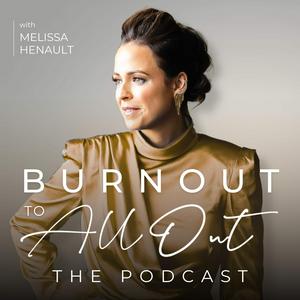
Acerca de Burnout To All Out PodcastIt’s time to say bye-bye to Burnout and say hello to living All Out, pursuing your entrepreneurial dreams! Each week corporate drop-out turned multiple six-figure income-earning online entrepreneur and business coach, Melissa Henault, will bring you inspiring guests, lifestyle and business tips, and tools to empower you to take the leap from burnout an employee to ALL OUT entrepreneur, making your passion your paycheck. Inspiring you to design a life and business you love! She gives you permission to dream again and pursue your passion through hearing uplifting and inspirational stories from burnouts, now going ALL OUT as well as sharing weekly practical tips that helped her break free from her own 9-5. When you pursue what you love, you live All Out.Sitio web del podcastEscucha Burnout To All Out Podcast, Inversión Racional Podcast y muchos más podcasts de todo el mundo con la aplicación de radio.es
Descarga la app gratuita: radio.es
- Añadir radios y podcasts a favoritos
- Transmisión por Wi-Fi y Bluetooth
- Carplay & Android Auto compatible
- Muchas otras funciones de la app
Descarga la app gratuita: radio.es
- Añadir radios y podcasts a favoritos
- Transmisión por Wi-Fi y Bluetooth
- Carplay & Android Auto compatible
- Muchas otras funciones de la app

Burnout To All Out Podcast
Escanea el código,
Descarga la app,
Escucha.Burnout To All Out Podcast: Podcasts del grupoEmpresaInformación legalServicioAplicacionesv8.23.3 | © 2007-2026 radio.de GmbHGenerated: 10/10/2026 - 11:14:30 PM

 España