

Escucha gratis este podcast en la aplicación: Descarga gratuita en la App Store
radio.es
Sleep timer
Favoritos
48 episodios
How to Avoid Frailty: Why Strength Is the Key to Healthy Aging
06/08/2026 | 1 h 43 minAs we age, one of the greatest threats to long-term health isn't just disease. It's the gradual loss of strength, muscle mass, and physical function that can ultimately lead to frailty.
In this episode of the Rehab Science Podcast, I sit down with Dr. Jeremy Bettle, PhD to discuss why strength training is one of the most powerful tools we have for maintaining independence, preventing injury, and improving quality of life throughout the lifespan. We explore the relationship between strength and healthy aging, the role of exercise in reducing fall risk and osteoporosis, and why rehabilitation often falls short of preparing people to return to the activities they value most.
In this episode, we discuss:
• What frailty is and why it develops
• Why strength is one of the strongest predictors of long-term health and function
• The relationship between muscle mass, aging, and independence
• How resistance training influences bone health and osteoporosis
• Strategies for reducing fall risk
• The connection between strength, brain health, and cognitive function
• Common shortcomings in traditional rehabilitation
• What "return to performance" should really look like after an injury
• Practical advice for building and maintaining strength at any age
Whether you're recovering from an injury, trying to stay active as you age, or simply looking to improve your long-term health, this episode provides practical insights into why strength should be a lifelong priority.
Link for my first podcast with Dr. Bettle: https://open.spotify.com/episode/77Olhy3pnxICBFENDpRnTb?si=d173e3834ad843bc
Dr. Bettle's website: https://vitality-collective.com/Why Your Neck Pain Travels Into Your Arm
30/07/2026 | 23 minIn this episode of the Rehab Science Podcast, Dr. Tom Walters discusses one of the most common causes of neck pain that radiates into the shoulder and arm: cervical radiculopathy.
Using a real patient case, Dr. Walters explains how recurring neck tension and intermittent arm tingling ultimately led to the diagnosis of a C5-C6 disc herniation with narrowing of the intervertebral foramen. More importantly, he discusses why MRI findings are only one piece of the diagnostic puzzle and why many people have disc bulges and herniations without experiencing any symptoms.
You'll learn how cervical disc herniations can irritate nearby nerve roots, the anatomy and biomechanics of the cervical spine, and why a thorough history and physical examination are just as important as imaging when determining the source of a person's symptoms.
The episode also covers evidence-based rehabilitation strategies, including cervical mobility, thoracic mobility, shoulder mobility, deep neck strengthening, and nerve mobilization exercises. Finally, Dr. Walters reviews common medical management options, including medications, epidural steroid injections, and when surgery may be appropriate.
In This Episode
What cervical radiculopathy is and why it develops
A real patient case involving a C5-C6 disc herniation
The anatomy and biomechanics of the cervical spine
Why MRI findings don't always correlate with symptoms
The difference between treating an MRI and treating the patient
Evidence-based rehabilitation principles
Medical management options, including medications, injections, and surgery
When to seek further medical evaluation
Key Takeaway
A cervical disc bulge or herniation does not automatically explain your symptoms. Imaging should always be interpreted alongside your history, physical examination, and neurological findings. For many people, a comprehensive rehabilitation program focused on restoring mobility, strength, and nerve function can significantly reduce symptoms and improve quality of life.
Resources
YouTube Video Link
Rehab Science Book Link
Rehab Science App LinkHow to Rehab Patellar Tendinopathy
23/07/2026 | 11 minIn this episode of the Rehab Science Podcast, Dr. Tom Walters discusses patellar tendinopathy, also known as jumper's knee, one of the most common causes of pain just below the kneecap in active adults.
Using a real patient case, Dr. Walters explains why patellar tendinopathy often develops after returning to sports like basketball or volleyball following a long break from explosive exercise. You'll learn how tendons adapt to load, why a sudden increase in jumping or running can exceed a tendon's current capacity, and why complete rest is rarely the best long-term solution.
The episode also covers the anatomy and biomechanics of the patellar tendon, common symptoms, evidence-based rehabilitation principles, and how progressive strengthening can help you safely return to the activities you enjoy.
In This Episode
Why patellar tendinopathy develops
A real patient story about returning to beach volleyball
The anatomy and function of the patellar tendon
The role of load management and tendon capacity
Why complete rest often delays recovery
Progressive loading principles for tendon rehabilitation
Tips for safely returning to running, jumping, and sports
Resources
📖 Book: Rehab Science: How to Overcome Pain and Heal From Injury.
📱 Rehab Science App: Guided rehabilitation programs, strength progressions, and mobility routines for common orthopedic injuries.
🎥 YouTube: Watch my patellar tendinopathy exercise progression featuring goblet squats, forward lunges, step-downs, and hopping progressions.
If you enjoyed this episode, please consider subscribing to the Rehab Science Podcast and leaving a review. Your support helps us reach more people looking for evidence-based guidance on overcoming pain and improving movement.Hip Labral Tears: Do You Really Need Surgery?
16/07/2026 | 9 minReceiving a diagnosis of a hip labral tear can be intimidating, but it doesn't automatically mean surgery is your only option.
In this episode of the Rehab Science Podcast, I discuss what the hip labrum does, why labral tears develop, and why MRI findings don't always explain a person's pain. Through the story of a patient who successfully returned to an active lifestyle after years of martial arts training, I explain how activity modification, progressive strengthening, and thoughtful load management can often help people manage their symptoms without surgery.
You'll also learn why movements like deep squats, lunges, and prolonged running may aggravate a symptomatic labral tear, and how simple adjustments can allow you to continue exercising while your hip becomes stronger and more resilient.
In this episode, you'll learn:
• What the hip labrum does and why labral tears occur
• Common symptoms of a symptomatic hip labral tear
• Why an MRI doesn't always tell the whole story
• When rehabilitation should be considered before surgery
• How modifying movement can reduce irritation without giving up exercise
• Four exercises that help strengthen the muscles supporting the hip
Whether you've recently been diagnosed with a hip labral tear or you're simply trying to better understand persistent groin or anterior hip pain, this episode will help you make sense of the diagnosis and provide practical strategies to keep you moving.
Resources:
Labral Tear Exercises: https://youtu.be/345qvLAYoi4?si=wisOnV5V7igx1HrY
Book Link: https://amzn.to/3RD0Syo
App Link: https://rehabscience.com/membership/Tibialis Anterior Tendinopathy: Why the Front of Your Ankle Hurts
09/07/2026 | 18 minPain along the front of the ankle or shin is a common complaint, but one potential cause is often overlooked: tibialis anterior tendinopathy.
The tibialis anterior is a muscle located along the front of the shin that plays a critical role in walking, running, and other lower-body activities. Its tendon travels across the front of the ankle and attaches to the inside of the foot. This muscle helps lift the foot during the swing phase of walking and controls the lowering of the foot after the heel contacts the ground.
When the tibialis anterior tendon is exposed to more stress than it can currently tolerate, it can become painful and irritated. This may occur after a sudden increase in walking, running, hiking, hill training, or other activities that increase demand on the front of the ankle.
In this episode, we discuss:
The anatomy and function of the tibialis anterior muscle and tendon
The biomechanics of the ankle during walking and running
Why this tendon can become painful with increased activity
Common symptoms associated with tibialis anterior tendinopathy
How to differentiate it from other causes of shin and ankle pain
The role of progressive loading in tendon recovery
Exercises and rehabilitation strategies to improve tendon capacity and return to activity
A key concept in treating tendinopathy is understanding that tendons adapt to the loads placed upon them. While rest may temporarily reduce symptoms, long-term recovery typically requires a gradual and progressive strengthening program that improves the tendon's ability to tolerate everyday demands.
If you experience pain along the front of your ankle or shin, especially with walking, running, hills, or stairs, tibialis anterior tendinopathy may be one possible explanation. With the right approach, most people can successfully return to the activities they enjoy.
Topics covered:
Tibialis anterior anatomy
Ankle dorsiflexion biomechanics
Tendon adaptation and load tolerance
Causes of anterior ankle pain
Rehabilitation principles for tendinopathy
Exercises for restoring strength and function
Resources:
Rehab Science book: Rehab Science: How to Overcome Pain and Heal From Injury
Rehab Science app: Comprehensive exercise programs and rehabilitation guidance for common musculoskeletal conditions
Tibialis Anterior YouTube Video
Más podcasts de Educación
 BBVA Aprendemos juntosArte, Ciencias, Cultura y sociedad, Educación, Filosofía, Libros, Matemáticas, Música, Naturaleza
 The Mel Robbins PodcastCultura y sociedad, Educación, Relaciones, Salud mental, Salud y forma física, Superación personal
 Black Mango PodcastEducación
 Las Historias del Mago MoreEducación, Humor
 El Estoico | Estoicismo en españolAdministración, Cultura y sociedad, Economía y empresa, Educación, Filosofía, Superación personal
 6 Minute EnglishAprendizaje de idiomas, Educación
 Learning English ConversationsAprendizaje de idiomas, Educación
 Seminario Fenix | Brian TracyCultura y sociedad, Economía y empresa, Educación, Empresa, Filosofía, Superación personal
 La HogueraEducación, Superación personal
 Inglés desde ceroAprendizaje de idiomas, Educación
Podcasts a la moda de Educación
 Arquitectura sostenible y saludableCursos, Educación
 Podcast de ProfeDeELE para aprender españolAprendizaje de idiomas, Educación
 Daily Easy SpanishAprendizaje de idiomas, Educación, Noticias, Noticias diarias
 Learn Slovak and More PodcastAprendizaje de idiomas, Educación, Superación personal, Tutoriales
 Acelerador de aprendizaje de inglésAprendizaje de idiomas, Educación
 Español Automático PodcastAprendizaje de idiomas, Educación
 PolymatasEducación, Superación personal
 Raam Dox : le podcast à la sénégalaiseEducación, Superación personal
 A Contraluz – Charlas sobre FotografíaEducación
 Las claves de SolEducación
 4 Legal EnglishAprendizaje de idiomas, Cursos, Educación
 Aprender A AmarEducación, Superación personal
 The Miku Real Japanese Podcast | Japanese conversation | Japanese cultureAprendizaje de idiomas, Educación, Superación personal, Tutoriales
 CuriosamenteCine y Televisión, Críticas de cine, Educación, Ficción, Naturaleza
 Italiano Automatico PodcastEducación
 The Nugget Climbing PodcastAventuras en la naturaleza, Deportes, Educación, Fitness, Salud y forma física, Superación personal
Acerca de Rehab Science
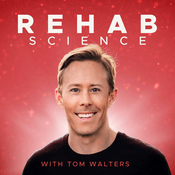
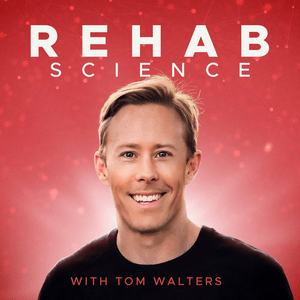
Learn how to alleviate pain, recover from injury and move better. In the Rehab Science Podcast, Dr. Tom Walters, an orthopedic physical therapist and bestselling author teaches strategies to help you resolve common problems such as, sciatica, tennis elbow, plantar fasciitis, rotator cuff injuries, meniscus tears and much more.
The podcast features a combination of short solo episodes on common pain issues and injuries and guest interviews with various health experts, including osteopaths, chiropractors, physical therapists, orthopedic surgeons, exercise and rehabilitation scientists, and many more.
Sitio web del podcastEscucha Rehab Science, BBVA Aprendemos juntos y muchos más podcasts de todo el mundo con la aplicación de radio.es
Descarga la app gratuita: radio.es
- Añadir radios y podcasts a favoritos
- Transmisión por Wi-Fi y Bluetooth
- Carplay & Android Auto compatible
- Muchas otras funciones de la app
Descarga la app gratuita: radio.es
- Añadir radios y podcasts a favoritos
- Transmisión por Wi-Fi y Bluetooth
- Carplay & Android Auto compatible
- Muchas otras funciones de la app
Rehab Science
Escanea el código,
Descarga la app,
Escucha.
Descarga la app,
Escucha.
 España