
Escucha gratis este podcast en la aplicación: Descarga gratuita en la App Store
radio.es
Sleep timer
Favoritos
775 episodios
Season 3-167 お風呂で読書!? 本好きトーク Book Talk with Yuko 14
21/10/2026 | 21 min私のサイトにTranscriptionがあります。勉強につかってみてね。https://www.japanesewithnoriko.com/season-3-transcription
ビートたけし『アナログ』
東畑開人『カウンセリングとは何か』
吉本ばななさん『TUGUMI』
村上春樹『ノルウェーの森』
村上春樹『遠い太鼓』
Japanese summary
今回は、いつもの本の紹介とは少し違い、のりこさんが本好きのYukoさんに読書についていろいろな質問をしました。
Yukoさんは、ストーリーのある本や情報が入った新書をよく読みます。本を選ぶときは、最初の1ページや1行目を読んで、そのときのフィーリングを大切にしているそうです。しかし最近は、信頼している人から直接おすすめされた本なら、中身をあまり確認しなくても買うことがあると話しました。人からすすめられた本は、その人と一緒に話したいという気持ちもあり、最後まで読みやすくなるそうです。
読書をするお気に入りの場所は、お風呂と階段です。特にお風呂ではタオルを使いながら本を読みます。また、本にメモをするときにはフリクションペンを使い、コーヒーやお茶を飲みながら読むこともあります。
本は図書館で借りるより書店で買うことが多く、本屋さんに行くと店内を一通り歩くのも好きです。また、友達と本を貸し合う楽しさや、中身を隠して本を渡す方法についても話しました。
買った本をすぐ読むこともあれば、「積読」してしまうこともあります。そして、Yukoさんが読書を好きになったきっかけは、学生時代に教科書で吉本ばななさんの『TUGUMI』の一部を読んだことでした。
最後には、Yukoさんが『ノルウェイの森』に再チャレンジしていること、のりこさんが村上春樹さんの旅行エッセイ『遠い太鼓』を読み終えたことについて話しました。二人にとって、本は一人で読むだけではなく、人とつながり、会話を楽しむきっかけにもなっています。
本好きの人に聞いてみよう
- 普段、どんなジャンルの本をよく読んでいますか。- 本を選ぶとき、何を基準にしていますか。- 最初の1ページや1行目を読んでから、買うかどうか決めていますか。- 本の表紙やデザイン、装丁を見て、内容を知らずに思わず買ったことはありますか。- 「この本はやめておこう」と思うのは、どんなときですか。- 本を読むお気に入りの場所はありますか。- 読書をするときの決まった習慣や、お供にしているものはありますか。- 本は書店で買うことが多いですか。それとも図書館で借りることが多いですか。- 図書館に定期的に通っていますか。- 必ず立ち寄る書店はありますか。- 買った本をすぐに読む派ですか。それとも積読する派ですか。- 読書が好きになったきっかけは何ですか。- 今読んでいる本や最近読んだ本を、一冊紹介してもらえますか。Japanese Brain-Friendly Coaching 8: 「みんなが使っている」は正解?日本語学習とバンドワゴン効果
14/10/2026 | 19 minYouTubeでは、Video Podcastが見られます。
Japanese Togetherコミュニティに参加しませんか。毎週いろいろなMeet upをしていますよ。
有料チャレンジは定期的にやっています。私のサイトJapanese with NorikoのニュースレターにSign upしてみてね。ニュースレターでお知らせをしています。
In this episode of the Brain Friendly series, Noriko explores the “bandwagon effect”—our tendency to be attracted to products, ideas, or choices simply because many other people seem to support or use them. From social media advertising to popular products, phrases like “everyone is using this” or “the most popular choice” can easily influence our decisions.
Noriko introduces four ways to avoid being swept along by the bandwagon effect: form your own opinion first, give yourself time before making a decision, actively look for opposing opinions, and ask yourself what you genuinely want.
She then connects the concept to Japanese language learning. Popular apps, flashcards, textbooks, courses, and study methods may be effective for some learners, but that does not mean they are right for everyone. Goals, lifestyles, interests, personalities, and learning preferences differ.
Before jumping to another new Japanese learning resource, Noriko suggests examining your current learning system. When do you study? How often do you review? How do you track progress? Sometimes the solution is not a new app or course, but a small change to your existing routine. The key is choosing a sustainable approach that fits your own goals.Season 3-166 「穴があったら入りたい!」恥ずかしい経験を日本語で話そう
07/10/2026 | 16 minYouTubeでは、Video Podcastが見られます。
Japanese Togetherコミュニティに参加しませんか。毎週いろいろなMeet upをしていますよ。
有料チャレンジは定期的にやっています。私のサイトJapanese with NorikoのニュースレターにSign upしてみてね。ニュースレターでお知らせをしています。
Japanese summary
今回のテーマは「恥ずかしい経験」です。まず、Norikoは、人生の中で経験した自分の失敗について話します。
その後、4人の生徒さんの恥ずかしい体験が紹介されます。結婚式に高いヒールを履いて行き、靴が石畳にはまってしまった人、レストランのトイレで鍵をかけ忘れ、ドアを開けた人とその後、隣のテーブルで会ってしまった人がいました。
また、フランス旅行中に臭いが強くなったカマンベールチーズを友達の家のトイレの窓から外にぶら下げた人もいます。最後は、クロアチアの小さな島で、裸で過ごしていたカップルの近くにボートで何度も近づいてしまった人の話です。
その時はとても恥ずかしくても、時間がたつと笑って話せる思い出になることがあります。今回のエピソードでは、失敗や予想外の出来事を人と共有する面白さも伝えられています。Season 3-165 昔の旅と今の旅
23/09/2026 | 24 min今回のエピソードでは、まずポッドキャストの新しい実験について話します。YouTubeではビデオポッドキャストを公開し、Spotifyでは音だけを聞けるようにする予定です。動画や字幕などの情報が多すぎると、学習するときに頭の中で処理することが増えるためです。また、聞く前に概要欄のサマリーを読んで内容を知っておくことも、より深く学ぶための方法として紹介しています。
今回の大きなテーマは「本と旅」です。最初に紹介するのは、村上春樹さんの旅行エッセイ『遠い太鼓』です。村上さんが1986年から1989年ごろまでヨーロッパで生活しながら旅をした経験が書かれています。当時はスマートフォンやインターネットがなく、交通、郵便、役所の手続きなど、今より大変なことがたくさんありました。しかし、そのようなトラブルも旅を深い経験にしてくれます。
次に、沢木耕太郎さんの『深夜特急』について話します。この本は、のりこの人生に大きな影響を与えました。20代の時にこの本を読み、自分も世界を旅したいと思い、安定した仕事を辞めて旅行に出ました。その経験がきっかけとなり、日本語教師という新しい道につながりました。
一方、53歳になった今では、若い時と同じ旅行はできないと感じています。体力やお金、旅行に求める快適さが変わったからです。また、スマートフォン、インターネット、AIによって旅行はとても便利になりましたが、迷ったり、自分で問題を解決したりする経験は少なくなっています。便利さによって旅の「物語性」が少し失われているのではないかと考えます。
本や旅は、人生を変えるきっかけになることがあります。そして、旅行の失敗やトラブルも、時間が経つと大切な思い出になるかもしれません。今回のエピソードは、昔と今の旅を比べながら、便利さ、成長、年齢、人生のタイミングについて考える内容です。Season 3-164 この本で走り始めました Book Talk with Yuko 13
16/09/2026 | 28 minAt Japanese Together, we have a Book Club every month. 📚It’s a relaxed session where you can bring any book you’re currently reading, enjoy some quiet reading time together, and then chat about your book in Japanese.Every autumn, we also run a 5-week Reading Challenge, exclusively for Japanese Together community members. And yes, we’re doing it again this year — it will be our 5th Reading Challenge! 🍂📖If you love reading and want to enjoy more Japanese through books, we’d love to have you join us at Japanese Together.🌏 Japanese Together Community Learn, practise, and grow with other Japanese learners in a supportive space. 👉 https://japanese-together.mn.co📚紹介した本森絵都『カラフル』イ・ヨンミ『魔女の体力 』小川糸『ツバキ文具店 』池田晶子『すべての人の死因は生まれたことである』(新潮新書)池田晶子『14歳からの哲学』 岡本真帆『水上バス浅草行き』 上級日本語教材『日本語で考えたくなる 科学の問い』🗒 TranscriptionAccess the full transcription to deepen your understanding and review at your own pace.https://www.japanesewithnoriko.com/season-3-transcription✍️ Substack – Japanese Blog : NihongoStorytimeRead my Japanese blog posts on Substack.Perfect for reading practice and building vocabulary step by step, especially for JLPT N3 level and above.https://nihongostorytime.substack.com/☕ Support My WorkIf you enjoy my content, you can support me here:Buy me a coffee 💛https://www.patreon.com/c/japanesewithnoriko🎧 Private Coaching Sessions, Weekly Newsletter & Podcast TranscriptionsInterested in working with me?Find all the details here ⬇️https://www.japanesewithnoriko.com/
Más podcasts de Aprendizaje de idiomas





Podcasts a la moda de Aprendizaje de idiomas













Acerca de Learn Japanese with Noriko
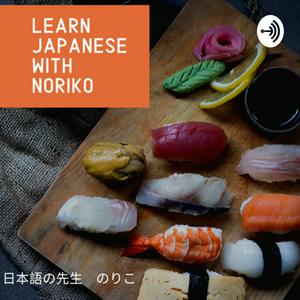
Hi, I’m Noriko 🌸—a certified Japanese teacher and Neurolanguage Coach®. Learn Japanese with Noriko is for intermediate to advanced learners. If you're an intermediate student, please start from Season 1—I speak slowly at first, then gradually faster. Season 3 is a level-up version with real-life dialogues, philosophy, and language learning topics. Join Japanese Together for our Podcast Conversation Club & Book Club, and sign up for my newsletter at Japanese with Noriko to learn about my coaching service. Enjoy listening!
Sitio web del podcastEscucha Learn Japanese with Noriko, Inglés desde cero y muchos más podcasts de todo el mundo con la aplicación de radio.es
Descarga la app gratuita: radio.es
- Añadir radios y podcasts a favoritos
- Transmisión por Wi-Fi y Bluetooth
- Carplay & Android Auto compatible
- Muchas otras funciones de la app
Descarga la app gratuita: radio.es
- Añadir radios y podcasts a favoritos
- Transmisión por Wi-Fi y Bluetooth
- Carplay & Android Auto compatible
- Muchas otras funciones de la app
Learn Japanese with Noriko
Escanea el código,
Descarga la app,
Escucha.
Descarga la app,
Escucha.
 España