

Escucha gratis este podcast en la aplicación: Descarga gratuita en la App Store
radio.es
Sleep timer
Favoritos
379 episodios
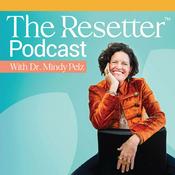
Insulin Resistance? 6 Daily Habits That Can Make a Difference
14/10/2026 | 22 minInsulin resistance can develop gradually, sometimes long before you notice changes in your blood sugar. And while genetics and other health factors play a role, the habits you practice every day can have a meaningful impact on your metabolic health.
In this solo episode of Live Like a Girl, Dr. Mindy Pelz shares six practical habits that can help support insulin sensitivity, particularly for women navigating midlife and hormonal changes.
She explains why the quality of your carbohydrates matters, how a 10-minute walk after meals can influence your blood sugar response, and why building muscle is one of the most valuable things you can do for your metabolism as you age.
You'll also learn how fiber and fermented foods support gut health, why sugary beverages deserve a closer look, and how your sleep routine can affect the way your body responds to insulin.
In this episode, you'll learn:
What insulin resistance is and how it develops
Why carbohydrate quality matters for blood sugar regulation
How pairing carbohydrates with protein or fat can support a steadier glucose response
The benefits of walking for 10 minutes after meals
Why resistance training and muscle mass matter for women over 40
How fiber, legumes, and fermented foods support gut health
The impact of sugary beverages on blood sugar
Why sleep consistency matters for insulin sensitivity
Three practical habits you can start today
Resources Mentioned
Wise Goat Organics
Ben Bikman Interview
For more resources related to today’s episode, visit the podcast episode page: drmindypelz.com/ep378
Connect with Dr. Mindy:
Join Reset Academy
Watch the episodes on YouTube
Follow Dr. Mindy on Instagram
Subscribe to Dr. Mindy’s newsletter
Disclaimer: This podcast is intended for educational and informational purposes only and is not a substitute for professional medical advice. Always consult a qualified healthcare professional before making changes to your diet, fasting routine, or lifestyle.The Toxic Ingredients Hiding in Your “Healthy” Food with Vani Hari (Food Babe)
12/10/2026 | 1 h 11 minFood activist and Food Babe founder Vani Hari returns to Live Like a Girl to break down what's actually hiding in many of the foods we buy every day.
We get into ultra-processed foods, ingredient labels, added flavors, artificial sweeteners, food dyes, MSG, cooking oils, food noise, and the simple grocery-store habits Vani uses with her own family. Vani also shares how to make the transition toward more real food without making food boring or giving up birthdays, holidays, French fries, pizza, and the traditions you love.
_
IN THIS EPISODE:
How to identify ultra-processed foods
What Vani looks for on ingredient labels
Ingredients she personally avoids
Food noise and highly palatable foods
Helping kids develop a wider palate
Easy real-food swaps
Navigating holidays and celebrations
_
RESOURCES MENTIONED
Food Babe Feast Cookbook
Vani’s speech at HHS in Washington DC
Vani’s speech at HHS in Washington DC
Vani’s Senate Testimony
_
MORE ON VANI HARI
Vani Hari, widely known as the Food Babe, is a food activist, author, entrepreneur, and founder of FoodBabe.com. For more than two decades, she has investigated ingredients used in the American food supply and advocated for changes in the way major food companies formulate their products.
Facebook: @thefoodbabe
Instagram: @thefoodbabe
YouTube: @thefoodbabe
For more resources related to today’s episode, visit the podcast episode page: drmindypelz.com/ep377
Connect with Dr. Mindy:
Join Reset Academy
Watch the episodes on YouTube
Follow Dr. Mindy on Instagram
Subscribe to Dr. Mindy’s newsletter
Disclaimer: This podcast is intended for educational and informational purposes only and is not a substitute for professional medical advice. Always consult a qualified healthcare professional before making changes to your diet, fasting routine, or lifestyle.The GLP-1 Foods I Want Every Woman Eating
07/10/2026 | 26 minGLP-1 is a hormone your body naturally produces, and the foods you eat can influence its release. In this episode, I'm walking you through 10 everyday foods that support your natural GLP-1 response, satiety, and gut health, with practical ways to start adding them to your meals.
We get into fiber, protein, resistant starch, fermented foods, polyphenols, and why I've become increasingly focused on building meals around protein and fiber. I'll also show you what happens when you cook and cool potatoes, why plant variety matters, and some of the foods currently sitting in my own refrigerator.
_
IN THIS EPISODE:
How your body naturally produces GLP-1
10 foods to add to your grocery list
Fiber and food noise
Protein and satiety
Supporting your gut microbiome
Why plant diversity matters
How I build a protein-and-fiber-forward meal
Simple ways to put these foods together
_
RESOURCES MENTIONED:
Fasting 101 Guide
Dr. Ben Bikman Episode
Fresh-Pressed Olive Oil
Wise Goat Organics
MyFitnessPal
For more resources related to today’s episode, visit the podcast episode page: drmindypelz.com/ep376
_
CONNECT WITH DR. MINDY:
Join Reset Academy
Watch the episodes on YouTube
Follow Dr. Mindy on Instagram
Subscribe to Dr. Mindy’s newsletter
Disclaimer: This podcast is intended for educational and informational purposes only and is not a substitute for professional medical advice. Always consult a qualified healthcare professional before making changes to your diet, fasting routine, or lifestyle.Leanne Morgan: Why Your Best Years Might Start After 50
05/10/2026 | 59 minLeanne Morgan spent more than 20 years pursuing comedy before her career exploded in her 50s. Now, at 60, she's selling out arenas, starring in her own Netflix series, and living a life that once felt almost impossible.
In this conversation, we talk about what changed when Leanne stopped worrying so much about what everyone else thought and started trusting herself. We get into menopause, imposter syndrome, aging, ambition, health, family, and what happens when a woman's life gets bigger at the exact age she was taught it should start getting smaller.
In this episode:
Leanne's 27-year road to success
Almost giving up in her early 50s
Menopause and finding confidence
Prioritizing health while touring
Aging, body image, and longevity
Why Leanne won't “fake peace” anymore
Family, friendship, and learning to say no
Reinventing yourself later in life
_
MORE ON LEANNE MORGAN
Leanne Season 2 Airing on Netflix
The Time of Our Lives Tour
What in the World?! by Leanne Morgan
Instagram: @leannemorgancomedy
Facebook: @leannemorgancomedy
X: @leannecomedy
YouTube: @LeanneMorganComedy
TikTok: @leannemorgancomedy
For more resources related to today’s episode, visit the podcast episode page: https://www.drmindypelz.com/ep375/
_
CONNECT WITH DR. MINDY
Join Reset Academy
Watch the episodes on YouTube
Follow Dr. Mindy on Instagram
Subscribe to Dr. Mindy’s newsletter
Disclaimer: This podcast is intended for educational and informational purposes only and is not a substitute for professional medical advice. Always consult a qualified healthcare professional before making changes to your diet, fasting routine, or lifestyle.The 10-Minute Morning Routine for Cortisol & Belly Fat
29/09/2026 | 27 minChronic stress can influence your metabolism, sleep, appetite, blood sugar, and where your body tends to carry fat—which makes your nervous system an important part of the belly-fat conversation.
In this solo episode, I’m breaking down what happens to cortisol after you wake up and sharing the simple 10-minute morning routine I want you to try for the next 30 days.
We’ll talk about morning light, your phone, breathwork, movement, hydration, exercise, and how to identify the stressors that may be setting the tone for your entire day. I’ll also explain what I mean by becoming “cortisol flexible” and how you can start working with your stress response instead of constantly feeling controlled by it.
In this episode:
Cortisol, chronic stress, and belly fat
What happens to cortisol after waking
Why morning light matters
The problem with reaching for your phone immediately
A five-minute breathing practice
When to move and exercise
How to perform a morning stress audit
Becoming more "cortisol-flexible"
My 10-minute morning routine
A 30-day challenge you can start tomorrow
Plus: Take my free Nervous System Questionnaire below to discover your current nervous system state and the practices that may support you.
Resources Mentioned
Nervous System Questionnaire
Reset Academy
Who Are You Becoming? Card Deck
Sunlighten Sauna
For more resources related to today’s episode, visit the podcast episode page: drmindypelz.com/ep374
Connect with Dr. Mindy:
Join Reset Academy
Watch the episodes on YouTube
Follow Dr. Mindy on Instagram
Subscribe to Dr. Mindy’s newsletter
Disclaimer: This podcast is intended for educational and informational purposes only and is not a substitute for professional medical advice. Always consult a qualified healthcare professional before making changes to your diet, fasting routine, or lifestyle.
Más podcasts de Ciencias










Podcasts a la moda de Ciencias























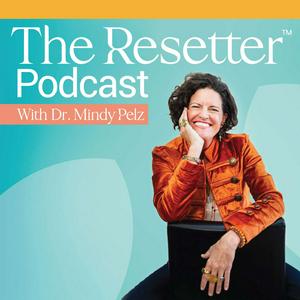
Acerca de Live Like a Girl with Dr. Mindy Pelz
We were taught that doing anything "like a girl" was a weakness. Dr. Mindy Pelz is here to prove it's your greatest strength.
A renowned advocate for women's health, Dr. Mindy is passionately committed to helping women embrace and trust their body's natural healing processes. Drawing on an extensive background in women's health, she's developed groundbreaking, science-backed approaches that help women work with their hormones, not against them, through every stage of life, from cycling to perimenopause to the wisdom of the years beyond.
On Live Like a Girl, Dr. Mindy helps you come home to your own body. Every Monday, she sits down with some of the brightest minds in health and wellness for honest, meaningful conversations that hand you the knowledge, tools, and science to do health your way. No more pushing through, gaslighting yourself, or shrinking to fit. Just permission to live in rhythm with the body you were designed to have and to finally feel at home in it.
Press play, and let's live like a girl.
Sitio web del podcastEscucha Live Like a Girl with Dr. Mindy Pelz, Coffee Break: Señal y Ruido y muchos más podcasts de todo el mundo con la aplicación de radio.es
Descarga la app gratuita: radio.es
- Añadir radios y podcasts a favoritos
- Transmisión por Wi-Fi y Bluetooth
- Carplay & Android Auto compatible
- Muchas otras funciones de la app
Descarga la app gratuita: radio.es
- Añadir radios y podcasts a favoritos
- Transmisión por Wi-Fi y Bluetooth
- Carplay & Android Auto compatible
- Muchas otras funciones de la app

Live Like a Girl with Dr. Mindy Pelz
Escanea el código,
Descarga la app,
Escucha.
Descarga la app,
Escucha.
Live Like a Girl with Dr. Mindy Pelz: Podcasts del grupo
 España