
Escucha gratis este podcast en la aplicación: Descarga gratuita en la App Store
radio.es
Sleep timer
Favoritos
17 episodios
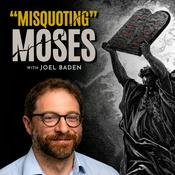
The Greatest King in the Bible Was a Tyrant
20/11/2026 | 56 minWisdom beyond measure. A sprawling empire. A legendary golden throne. 700 wives, 300 concubines. A magnificent temple in Jerusalem built to house the creator of the universe. Solomon is remembered across history and tradition as the ultimate golden boy of ancient Israel, The pinnacle of wealth, power, and divine favor. But he's also kind of a bad guy. We're continuing our series on Israel's 5 Greatest Kings with one of the most complicated and confusing portraits of a monarch in all of ancient Israel's history. Behind the proverbs and poetry, We will find the real King Solomon. Today we're stripping away the myth.Ranking Ancient Israel's 5 Greatest Kings
13/11/2026 | 56 minHistory is written by the victors, or so the saying goes. But when it comes to the Hebrew Bible, I'm delighted to tell you that things are much more complicated. We are never talking about texts that were just written, but texts that were edited, compiled, copied, and changed over centuries by scribes with their own agenda. Today we're shining the spotlight back on Israel's 5 greatest kings to show how long and prosperous reigns got sidelined or even maligned, and even the supposedly pious religious reformers still got a little cleaning up in the edit, and why none of them are King David.The Golden Calf Wasn't A "False God"
06/11/2026 | 58 minMoses ascends the mountain to commune with God. With their leader gone, the people of Israel awaiting his return in the desert panic, so his brother does what anyone would in that situation. He fashions a golden idol shaped like a calf out of everyone's molten jewelry. They throw a party complete with food, drink, and dancing, and when Moses returns, he's pretty miffed that he wasn't invited - and at the whole calf thing. You already know what happens next. It's not good. Broken tablets, divine wrath, and a sudden outbreak of plague. Aaron gets off remarkably easy. And the story quickly moves on. But perhaps you, as a reader, didn't. There are just so many details about this story that don't make sense. Why did Aaron make a calf in the first place? What did the Israelites exactly do wrong that angered Moses and their deity so? And why does Aaron say "THESE are your GODS, O Israel" when he only makes one calf, and Israel only worships one God? Today on Misquoting Moses, we're unpacking the polemical battleground that is the golden calf incident.The Bible's Most Boring Chapters Are Its Best Propaganda
30/10/2026 | 59 minGeneration after generation, begat after begat, lists of names stretching on for what feels like endless chapters. I'm not talking about the The Silmarillion or even The Iliad. If you have ever tried to read the Bible straight through from cover to cover, chances are your eyes glazed over right around Genesis 4-5. And 11. And 25. And 36. And Exodus 1. And many, many more times. Every time, you quietly skipped ahead to the good stuff. Ever read Chronicles? Like all the way through? No you haven't. I get it. Genealogies don't really preach, and they're not particularly great reading either. Until you finally give them a chance… and find a guy who lives to be 969 years old, another guy who doesn't die and instead seemingly ascends straight to heaven, the names of cities disguised as people, family drama that begins in the womb, and the age-old verbal assault of accusing your neighbors of being the product of incest. Get ready to scratch those genealogies off your DNF list.One Editor Rewrote Israel's History
23/10/2026 | 52 minYou've seen the multi-season television drama where every single episode follows the exact same formula. The main characters abandon their core values, face a massive crisis, get invaded by a foreign power, cry out for mercy, and get rescued by a heroic judge or king, only to repeat the whole cycle over again. No, sorry, I'm thinking of the books of Joshua through Kings! But this repetitive loop isn't lazy writing. It's a carefully crafted ideological framework built by a desperate group of thinkers trying to make sense of national catastrophe. Today, we're diving into the Deuteronomistic History to uncover the editorial engine driving the historical books of the Bible, and why its authors rewrote Israel's history to save their future.
Más podcasts de Historia









Podcasts a la moda de Historia























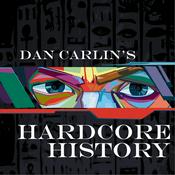



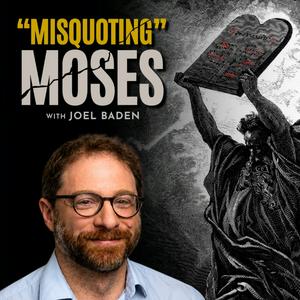
Acerca de Misquoting Moses with Joel Baden
Who wrote the Hebrew Bible, when, and why? Why does it contain so many competing perspectives and why do scholars sometimes disagree about what its words originally meant?
In Misquoting Moses, Yale professor Joel Baden and co-host Megan Kraege explore the surprising history, authorship, translation, and interpretation of the Hebrew Bible. Each week, they bring the questions and evidence scholars have debated for centuries out of the university and into lively, accessible conversations for anyone curious about the Bible.
Sitio web del podcastEscucha Misquoting Moses with Joel Baden, Infantas y Reinas y muchos más podcasts de todo el mundo con la aplicación de radio.es
Descarga la app gratuita: radio.es
- Añadir radios y podcasts a favoritos
- Transmisión por Wi-Fi y Bluetooth
- Carplay & Android Auto compatible
- Muchas otras funciones de la app

Misquoting Moses with Joel Baden: Podcasts del grupo
 España