
Escucha gratis este podcast en la aplicación: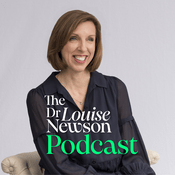 Descarga gratuita en la App Store
radio.es
Sleep timer
Favoritos
416 episodios
116 – Bioidentical HRT has good safety data, so why do so few women take it?
05/11/2026 | 33 minBioidentical (body identical) HRT is safer than the old synthetic hormones, so why do so few women take it?
Dr Jerrold Weinberg spent 25 years delivering babies in Detroit before moving into menopause medicine, and has since treated around 4,000 women. When he began prescribing bioidentical hormones, colleagues stopped referring patients to him, a story he tells in his book, Menopause Mended.
Louise and Jerrold explain why the Women’s Health Initiative study tested horse-derived estrogen and a synthetic progestogen rather than the estradiol and micronised progesterone used today, and why many women on HRT still feel unwell because their dose is too low or they aren’t absorbing it. They also talk about compounded creams, menopause supplements and why rushed appointments leave women without answers.
Jerrold closes with three take-home tips, including how to walk into an appointment prepared and be your own advocate.
Let’s connect
👉 Understand what your hormones actually do before your next appointment. Read The Power of Hormones: https://bio.to/ThePowerofHormones
👉 Follow the podcast on Spotify or Apple Podcasts so you never miss an episode: www.DrLN.co.uk/podcast
👉 More from Dr Louise Newson: https://linkin.bio/drlouisenewson
More from Dr.Weinberg
Instagram: @menopausemended
https://jhweinbergmd.com/
Link to purchase book on Amazon: Menopause Mended
Chapters
00:00 Why should doctors question what they're taught?
02:59 Why did colleagues stop referring patients to him?
05:13 Is menopause a hormone deficiency, like low thyroid?
06:09 Why was the first HRT made from horse urine?
07:09 Why do women go through the menopause?
09:28 Why does oral estrogen affect blood clotting?
10:29 What did the 2002 WHI study actually test?
12:05 Why is synthetic progestogen still a concern?
13:36 Which estradiol and progesterone are used now?
14:05 Why use a compounded estrogen cream?
16:22 What's the fear about compounded HRT?
19:07 Is your HRT dose too low to work?
20:57 Does HRT protect your long-term health?
22:19 Can HRT lower your risk of osteoporosis?
23:43 Do menopause supplements actually work?
26:28 Why are menopause appointments so rushed?
29:48 Could nurse practitioners improve menopause care?
31:17 How can more women get the HRT they need?115 – Bleeding on HRT: why it happens and what it means
03/11/2026 | 32 minIs bleeding on HRT normal? It’s a common side effect that usually settles and there’s often a simple explanation.
Consultant gynaecologist Tony Chalhoub worked for years in a rapid-access clinic for postmenopausal bleeding and helped establish Newcastle’s accredited endometriosis centre. He shares how a health scare ofhis own changed the way he listens to patients.
In this episode, Dr Louise Newson and Tony Chalhoub talk about how a few missed days of progesterone, patch that didn’t stick or a urine infection can all lead to bleeding, why a careful history matters so much, and why stopping an evidence-based treatment can bring symptoms straight back.
They also discuss why Louise kept her ovaries at hysterectomy, why estrogen alone may not be enough after surgical menopause, and why women with endometriosis deserve to be believed even when their scans are normal.
If you have any bleeding on HRT, speak to your doctor so it can be properly assessed.
Follow Tony: @drtonychalhoub
Chapters
00:00 Why does listening to women matter so much?
00:22 Why aren't gynaecologists taught about HRT?
02:24 What did training across the UK teach Tony?
03:39 Can a hysteroscopy be done without going to sleep?
06:41 Why were women told fibroid surgery was too risky?
07:29 Does bleeding on HRT mean cancer?
10:25 Should you stop HRT if you have bleeding?
11:20 What did a cancer scare teach a gynaecologist?
12:40 Could bleeding after sex be vaginal dryness?
13:05 Why are doctors scared of vaginal oestrogen?
13:50 Can women have HRT after cancer?
15:17 Should you keep your ovaries with womb cancer?
16:39 Why would a breast cancer survivor try HRT?
17:22 Why did Louise keep her ovaries at hysterectomy?
19:18 Is oestrogen enough after surgical menopause?
21:26 Should HRT be part of gynaecology training?
22:31 Does oestradiol cause womb cancer?
24:06 Is it OK for doctors to say I don't know?
25:19 Why are women with endometriosis not believed?
27:13 Why doesn't endometriosis pain match the scan?
28:40 Can men get endometriosis?
30:36 What needs to change in endometriosis care?
👉 Bleeding on HRT? Trackyour symptoms and treatment in the balance app so your doctor gets the fullpicture: https://balance-app.com/?utm_source=DLN&utm_medium=biolink&utm_campaign=crosspromo
👉 More from Dr Louise Newson: https://linkin.bio/drlouisenewson112 – What do I do if my doctor dismisses my menopause symptoms?
29/10/2026 | 31 minDoctor dismissing your menopause symptoms? Dr Phyllis Nsiah-Kumi explains how to get heard and get the right care.
Dr Phyllis Nsiah-Kumi, MD, MPH, is a US physician with more than 25 years in women’s health and public health, much of it with underserved communities. She regularly sees women for whom she is the third, fourth or fifth doctor, after years of being told their symptoms just come with age.
Dr Louise Newson explains why symptoms of hormonal imbalance, from night sweats and joint pain to low mood and memory problems, are so easily dismissed when they can’t be seen on a scan. She also explains why so many women are told the only option is an antidepressant, and why many are now learning about hormone treatments, including testosterone, from each other.
Phyllis closes with three take-home tips for women and the people supporting them: pause, pivot and proactivate.
Follow Dr Phyllis Nsiah-Kumi:
https://www.instagram.com/doc_kumi/
https://www.youtube.com/@DocKumi
Website and Show Notes Links:
https://www.doc-kumi.com/
https://www.bespokeconciergemd.com/providers/phyllis-nsiah-kumi
Let’s connect
👉 Take your symptoms to your next appointment: complete the free symptom questionnaire in the balance app: https://balance-app.com/utm_source=DLN&utm_medium=biolink&utm_campaign=crosspromo
👉Follow the podcast for more: https://open.spotify.com/show/7dCctfyI9bODGDaFnjfKhg
👉More from Dr Louise Newson: https://linkin.bio/drlouisenewson
Chapters
00:00 Why is health information so confusing for women?
02:28 Why are people so scared of the word hormone?
02:45 Why is "Do you understand?" the wrong question?
03:27 What do you really want from your appointment?
04:09 How should you prepare for a doctor's appointment?
05:51 Why are women too scared to ask for an examination?
07:41 What happens when a doctor refuses to examine you?
08:42 Is it really "just your age"?
09:27 Why are so many women being dismissed?
10:27 Is it okay for a doctor to say "I'm not sure"?
11:09 What does "that's just how it is" really mean?
12:11 Why are hormone symptoms so easy to dismiss?
13:24 How can scoring your symptoms help you get heard?
14:43 Can a symptom questionnaire make you feel heard?
15:39 Why do so many women think it's just them?
16:47 Are women learning more from each other than doctors?
18:17 Should you crowdsource medical advice online?
21:06 How do we reach women in underserved communities?
24:29 How do your hormones affect your whole family?
25:23 How can partners and friends support you?
27:24 Why take someone with you to your appointment?
29:25 What are the three steps to advocate for yourself?113 – Does menopause speed up ageing? What estrogen does to inflammation
27/10/2026 | 32 minDoes menopause speed up ageing? The science shows inflammation accelerates in perimenopause, and estrogen can slow it.
Nikolina Lauc is CEO of GlycanAge, which measures a marker of low-grade inflammation in our antibodies, building on research her father has dedicated his scientific career to. Nikolina’s research shows estrogen can prevent, and even reverse, the rise in inflammation that comes with menopause.
Dr Louise Newson explains why so many chronic diseases, from heart disease to dementia, are driven by inflammation, why estrogen is being overlooked in the longevity conversation and what happens to women whose ovaries are removed young and are never given hormones back. They also discuss why inflammation soars after childbirth, and how progesterone can be used to treat postnatal depression.
Nikolina closes with three things she wants research to answer next, from personalising HRT doses to whether therapy can calm inflammation.
Follow Nikolina: @nikolinalauc
Let’s connect
👉I've written a whole chapter on inflammation and hormones in my book, The Powerof Hormones: https://bio.to/ThePowerofHormones?utm_source=DLN&utm_medium=biolink&utm_campaign=crosspromo
👉 Follow the podcast on Spotify or Apple Podcasts so you never miss an episode
👉More from Dr Louise Newson: https://linkin.bio/drlouisenewson
Chapters
00:00 Why does inflammation matter for women?
01:34 What is low-grade inflammation?
03:33 When does inflammation turn against us?
06:05 What is "inflammaging"?
08:12 What does a glycan test measure?
08:46 Does inflammation speed up in perimenopause?
10:43 Are oestrogen and testosterone really sex hormones?
12:12 Does inflammation change across the cycle?
13:31 What happens when ovaries are removed young?
15:35 Why does inflammation soar after birth?
16:29 Could progesterone help postnatal depression?
20:33 Can grief and divorce age your immune system?
21:30 Are hormones medicine's biggest advance?
24:19 Is HRT's benefit just placebo?
25:19 Can inflammation predict disease years early?
29:05 What makes some people resilient to disease?
30:05 Are women on the right dose of HRT?
31:26 What should hormone research answer next?
32:13 Does testosterone affect inflammation?
33:05 Can therapy reduce inflammation?112 – Primodos: the harmful hormone pill prescribed to millions of pregnant women
22/10/2026 | 37 minPrimodos was the pregnancy test pill containingsynthetic hormones that was prescribed to millions of women during the 50s, 60s and 70s that caused severe congenital malformations, stillbirths and miscarriages.Primodos contained etihylestradiol and norethisterone - two synthetic hormones that are still prescribed every day as contraception to millions of women.
These risks were covered up by Schering, the drug company, and the Committee of Safety of Medicine decided not to warn people of the harms of these synthetic hormones as they did not want women to be “scared away” from taking contraceptive pills which contain the same synthetic hormones.
In 1970, Marie Lyon’s GP prescribed her Primodos tablets to find out whether she was pregnant with her first baby. Nobody mentioned any risks, and when her daughter Sarah was born with part of her arm missing, Marie was told “these things happen”.
She has campaigned for decades as chair of the Association for Children Damaged by Hormone Pregnancy Tests. Millions of women were prescribed Primodos with countless harms to these women’s babies until it was banned many years after the initial warnings were reported.
Louise explains why synthetic versions of estrogen and progesterone can be harmful and the problems with prescribing them to pregnant women without proper testing. They talk about the early warnings that were completely dismissed, why so many mothers still blame themselves, and why Marie believes an apology by the drug company is no longer enough.
If your mother took this synthetic hormone pregnancy test, Marie’s advice is to ask your GP for your records. She closes with the three changes she wants to see in how medicines are regulated.
Chapters
00:00 What was the Primodos scandal?
01:27 How were pregnancy tests done before Primodos?
02:30 Where did synthetic hormones come from?
05:13 How did the pill become a pregnancy test?
06:14 What did Marie's GP tell her?
08:01 Was Primodos ever tested in pregnancy?
09:20 Did the drug company know about the risks?
10:39 What happened when Sarah was born?
11:24 When did families make the connection?
12:20 Who was Dr Bill Inman?
16:01 Who was Dr Isabel Gal?
18:38 What does duty of care mean once you know?
19:17 Which birth defects were reported?
21:05 How do you find out if your mother took Primodos?
25:42 Are synthetic hormones still causing harm?
28:31 Why weren't condoms made free?
32:00 Why isn't an apology enough?
33:01 What three changes does Marie want?
Let’s connect
👉 Understand the difference between synthetic and body-identical hormones in my book, The Power of Hormones:
👉 More from Dr Louise Newson:
https://linkin.bio/drlouisenewson
Más podcasts de Medicina


Podcasts a la moda de Medicina




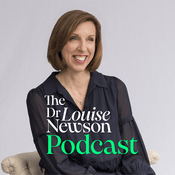
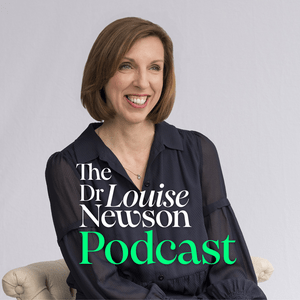
Acerca de The Dr Louise Newson Podcast
Dr Louise Newson is an award-winning physician, respected women’s hormone specialist, educator, and author committed to increasing awareness and knowledge of perimenopause, menopause, and lifelong hormone health. Each week, Louise dives into the newest research, treatments and hot topic issues, providing accessible, evidence-based information to empower your future health. Joined by fellow experts and special guests, with answers to your burning questions, Louise explores how hormones impact every aspect of our lives.
Described as the “medic who kickstarted the menopause revolution”, Louise aims to empower a generation of women to have a greater understanding, choice and control over their treatment, bodies, minds and future health through their hormones. She is the creator of the award-winning free balance app, a Sunday Times bestselling author and the founder of the Newson Health clinic. With over three decades of clinical experience, Louise is a member of the Royal College of Physicians, a Fellow of the Royal College of GPs, a Visiting Fellow at Cambridge, a regular contributor to academic journals including the Lancet and the British Journal of General Practice, and has been awarded an honorary Doctorate of Health from Bradford University.
DISCLAIMER: The information provided in this podcast is for informational purposes only and is not intended as a substitute for professional medical advice, diagnosis, or treatment. Always seek the advice of your physician or other qualified health providers with any questions you may have regarding a medical condition. The views expressed by guests are their own and do not necessarily reflect the views of Dr Louise Newson or the Newson Health Group.
Sitio web del podcastEscucha The Dr Louise Newson Podcast, Es Salud y muchos más podcasts de todo el mundo con la aplicación de radio.es
Descarga la app gratuita: radio.es
- Añadir radios y podcasts a favoritos
- Transmisión por Wi-Fi y Bluetooth
- Carplay & Android Auto compatible
- Muchas otras funciones de la app
Descarga la app gratuita: radio.es
- Añadir radios y podcasts a favoritos
- Transmisión por Wi-Fi y Bluetooth
- Carplay & Android Auto compatible
- Muchas otras funciones de la app

The Dr Louise Newson Podcast
Escanea el código,
Descarga la app,
Escucha.
Descarga la app,
Escucha.
The Dr Louise Newson Podcast: Podcasts del grupo
 España