
Escucha gratis este podcast en la aplicación: Descarga gratuita en la App Store
radio.es
Sleep timer
Favoritos
Cibervoces Podcast
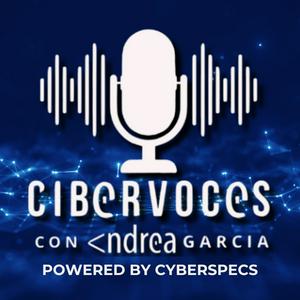
Cibervoces con Andrea Garcia, voz Lider en Ciberseguros y Ciberseguridad
Último episodio
43 episodios

La industria con más oportunidades que casi nadie conoce | Ciberseguros, Tecnología y Empleo con Andrea Garcia y Andrea Uceda
18/09/2026 | 13 minEn este episodio de Cibervoces se han invertido los papeles. nuestra Host Andrea Garcia es quien esta siendo entrevistada por una de sus mentoras, Andrea Uceda. Una joven Española que al terminar sus carreras universitarias quizo explorar el sector asegurador en el mercado laboral y poco encontro ...
🎙️ Una industria que crece, necesita talento y todavía es desconocida para muchos jóvenes: los ciberseguros.
En este episodio especial de Cibervoces, cambiamos los papeles.
Andrea Uceda, recién graduada en ADE y Relaciones Internacionales, entrevista a Andrea García para responder una pregunta que muchos jóvenes se hacen al terminar la universidad:
¿Dónde están las nuevas oportunidades profesionales del mundo digital?
La conversación nos lleva al ecosistema de los ciberseguros, una industria donde convergen ciberseguridad, gestión de riesgos, seguros, derecho, tecnología, análisis de datos, actuaría, privacidad y negocios internacionales.
Descubrimos qué es un ciberseguro y por qué se ha convertido en una pieza relevante dentro de la estrategia de resiliencia de las empresas frente a ransomware, filtraciones de datos, interrupciones de negocio y otros incidentes digitales.
Pero, sobre todo, hablamos de personas y carreras profesionales.
¿Qué perfiles necesita esta industria?
¿Puede entrar un abogado?
¿Un especialista en datos?
¿Un graduado en negocios internacionales?
¿Dónde trabajan los profesionales de cyber insurance?
¿Existe espacio para posiciones junior y jóvenes talentos?
También abordamos la evolución de la diversidad en sectores históricamente dominados por hombres y la importancia de la formación continua, las comunidades profesionales, el mentoring y los role models para abrir nuevas oportunidades a las próximas generaciones.
Una conversación especialmente dirigida a estudiantes, recién graduados y profesionales que buscan reinventar su carrera dentro de sectores como:
Cyber Insurance · Cybersecurity · Risk Management · Insurance · Claims · Underwriting · Data Analytics · Privacy · Incident Response · Actuarial Science · International Business
Porque quizás tu próxima oportunidad profesional está en una industria de la que todavía nadie te ha hablado.
🎧 Dale al play y descubre el mundo de los ciberseguros desde dentro.
Cibervoces — le damos voz al mundo digital.
#Ciberseguros #CyberInsurance #Cybersecurity #CarreraProfesional #Empleo #Tecnología #Seguros #RiskManagement #WomenInTech #CibervocesLa captura de nuestros hijos
16/09/2026 | 11 minLo que estamos presenciando es una gran captura de nuestros hijos. De su atención, de su concentración, de sus mentes.
Ursula von der Leyen anunció hoy el EU Kids Act: nada de redes sociales antes de los 13, ninguna cuenta personal antes de los 15, minicuentas supervisadas por los padres en el medio, y diseño seguro obligatorio hasta los 18. Alcanza también videojuegos y chatbots de IA.
Pero lo que más me interesa del anuncio no es la edad. Es que invierte la carga de la prueba: serán las plataformas las que tengan que demostrar que su servicio es seguro para un menor.
En este episodio comparto mi entrevista con Caracol Radio Pibto técnicamente, por qué declarar la edad no es un control de seguridad, y por qué esto llega a Colombia con un país que ya avanzó: desde julio, el Decreto 0769 exige a las plataformas verificar edad, ofrecer control parental y evaluar cómo sus algoritmos afectan a los niños. Bruselas propone 13. El proyecto colombiano dice 16. Y Bloomberg advierte que en Europa esto puede tardar años.
¿Estamos protegiendo al menor del contenido dañino, o también de sistemas diseñados para aprender de su comportamiento y modificarlo?La IA cambió la ciberseguridad: ahora los ataques van contra tus emociones I Andrea Garcia y Edison Salazar en Cibervoces podcast
26/07/2026 | 24 minLos ciberdelincuentes ya no necesitan comenzar atacando un firewall. Muchas veces les basta con despertar curiosidad, provocar miedo, generar urgencia o hacer que una persona confíe en el mensaje equivocado.
En este episodio de Cibervoces con Andrea García, conversamos con Edison Salazar, líder en transformación digital, infraestructura, integración empresarial y ciberseguridad, sobre el impacto de la inteligencia artificial en las nuevas amenazas digitales.
Edison analiza cómo los ataques están evolucionando para dirigirse directamente al factor humano y por qué una organización puede implementar múltiples políticas y herramientas sin eliminar el riesgo de que una persona abra un enlace, responda una llamada fraudulenta o entregue información bajo presión.
La conversación va más allá de la tecnología. Hablamos de liderazgo, cultura corporativa, habilidades humanas, equipos multiculturales, observabilidad, automatización y resiliencia cibernética.
También exploramos la transformación del departamento de IT: de ser percibido como un centro de coste a convertirse en un área estratégica capaz de proteger ingresos, impulsar objetivos empresariales y generar valor para toda la organización.
En este episodio hablamos de:
• Inteligencia artificial aplicada a los ciberataques.
• Manipulación emocional e ingeniería social.
• Formación y concienciación del factor humano.
• Observabilidad y anticipación de amenazas.
• Automatización de la respuesta tecnológica.
• Transformación digital en empresas internacionales.
• Comunicación entre tecnología, finanzas y dirección.
• Liderazgo de equipos multiculturales.
• Mujeres en tecnología y nuevas oportunidades profesionales.
• El paso de un IT técnico a un verdadero “IT de negocio”.
La ciberseguridad no puede depender únicamente de alertas, herramientas o especialistas. Debe formar parte de la cultura, las decisiones y el comportamiento cotidiano de toda la organización.
Porque el ataque más sofisticado puede comenzar con algo aparentemente inofensivo: un mensaje, una llamada o una promesa demasiado buena para ser verdad.
🎙️ Invitado: Edison Salazar
🎧 Presenta: Andrea García
🌐 Cibervoces — damos voz al mundo digital.
Sigue el podcast y comparte este episodio con líderes, equipos tecnológicos, profesionales de riesgos y todas las personas que quieran comprender mejor el nuevo escenario digital.
Inteligencia artificial, ciberseguridad, ciberataques, ingeniería social, factor humano, ataques emocionales, phishing, concienciación, resiliencia cibernética, transformación digital, observabilidad, liderazgo tecnológico, seguridad empresarial, IT de negocio, mujeres en tecnología, Cibervoces, Andrea García y Edison Salazar.Liderazgo femenino, logística y ciberseguridad: transformar antes de reaccionar | Janeth Martínez | Cibervoces Podcast
28/06/2026 | 18 minLiderazgo femenino, logística y ciberseguridad: transformar antes de reaccionar | Janeth Martínez | Cibervoces Podcast
¿Qué tienen en común el liderazgo femenino, la logística, la transformación digital y la ciberseguridad?
Mucho más de lo que imaginamos.
En este episodio de Cibervoces Podcast, Andrea García Beltrán conversa con Janeth Martínez, empresaria, líder del sector logístico y vicepresidenta de uno de los gremios más importantes del país, sobre los retos que enfrentan las organizaciones en un entorno donde la innovación avanza más rápido que la preparación empresarial.
A lo largo de esta conversación descubrirás por qué la resiliencia se ha convertido en una competencia indispensable para los líderes, cómo la transformación digital va mucho más allá de implementar tecnología y por qué la ciberseguridad debe ser una prioridad estratégica para toda la cadena de suministro.
También analizamos el papel de los gremios, la necesidad de políticas sectoriales y transversales, los desafíos que enfrentan las pequeñas y medianas empresas para acceder a conocimiento especializado y cómo el liderazgo femenino está aportando nuevas perspectivas a una industria tradicionalmente dominada por hombres.
• Liderazgo femenino y resiliencia empresarial.
• Transformación digital con propósito.
• Ciberseguridad en logística y transporte.
• Riesgos en la cadena de suministro.
• Continuidad del negocio y gestión del riesgo.
• Gobernanza y políticas públicas.
• Innovación y competitividad.
• El papel de los gremios en la educación empresarial.
• Tecnología al servicio de las personas.
• El futuro del liderazgo en la economía digital.
Una de las reflexiones más poderosas del episodio es que muchas empresas siguen creyendo que, porque no conocen un riesgo, ese riesgo no existe.
Sin embargo, un ciberataque puede detener una operación logística, afectar clientes y proveedores, comprometer información crítica y poner en riesgo la reputación construida durante años.
La verdadera transformación comienza cuando cambiamos la mentalidad.
🎙️ Gracias por escuchar Cibervoces, el podcast donde damos voz a los líderes que están construyendo un mundo digital más resiliente, humano e innovador.
Si este episodio te aportó valor, síguenos en Spotify, compártelo con tu equipo y ayúdanos a amplificar estas conversaciones que transforman organizaciones.
#CibervocesPodcast #Liderazgo #LiderazgoFemenino #Logística #SupplyChain #TransformaciónDigital #Ciberseguridad #CiberResiliencia #GestiónDelRiesgo #Innovación #Empresas #Tecnología #BusinessLeadership #DigitalTransformation #CyberSecurity #ResilienciaEmpresarial
En este episodio hablamos de:Capsule Reputation First: Practical Media Liability and Protecting Your Digital Reputation
19/05/2026 | 6 minIn this 6‑minute monologue Andrea Garcia Beltran explains media liability in plain English and shows why reputation is a core asset in the digital age. You will hear a powerful hook, a simple definition of media liability and reputation risk, and two concise real‑world examples that illustrate how small actions and misunderstandings become large problems. Andrea then shares practical, low‑cost strategies individuals, parents and small organisations can apply immediately: proofing your public presence, setting response playbooks, preserving evidence, minimising legal exposure and aligning insurance and resilience plans. The episode closes with a human reflection on trust, digital dignity and stewardship, plus a short checklist you can act on today. No jargon, no fear‑mongering — just sensible steps to protect what matters most online.
Reputation is crucial in the digital age, where media liability can arise from shared content. Misleading posts can damage personal and business reputations. Practical steps include auditing your online presence, creating response templates, preserving evidence, communicating carefully, and aligning insurance with media liability. Simple actions can enhance resilience and protect what matters.
You may be interested in these questions:What is media liability?How can I protect my digital reputation?What steps should I take if my reputation is damaged?HighlightsMedia liability involves the legal and reputational responsibility associated with what individuals publish or share online, affecting their lives significantly. Understanding this concept is crucial for navigating the digital landscape safely and responsibly.A defamatory review from a competitor can severely harm a small business, affecting sales and requiring time-consuming defenses. Awareness of online presence and preparation can mitigate these risks effectively.Reputation encompasses dignity, trust, and relationships beyond just branding, requiring thoughtful content sharing to prevent negative impacts. Digital trust is essential, and everyone plays a role in maintaining it.
Más podcasts de Tecnología









Podcasts a la moda de Tecnología





























Acerca de Cibervoces Podcast
Bienvenidos a Cibervoces con Andrea Garcia Beltran ; un espacio donde líderes, expertos y profesionales comparten su visión sobre el mundo digital y su evolución.
Aquí exploramos temas clave como los ciberriesgos y los ciberseguros, analizando cómo proteger empresas y personas en la era digital. También hablamos sobre tecnología, los desafios de la economia digital y carreras en la era digital, destacando oportunidades y desafíos no solo en el sector tech. Abordamos tendencias en ciberseguridad, amenazas emergentes y estrategias de defensa para un futuro digital más seguro.
Sitio web del podcastEscucha Cibervoces Podcast, Machine Gods y muchos más podcasts de todo el mundo con la aplicación de radio.es
Descarga la app gratuita: radio.es
- Añadir radios y podcasts a favoritos
- Transmisión por Wi-Fi y Bluetooth
- Carplay & Android Auto compatible
- Muchas otras funciones de la app
Descarga la app gratuita: radio.es
- Añadir radios y podcasts a favoritos
- Transmisión por Wi-Fi y Bluetooth
- Carplay & Android Auto compatible
- Muchas otras funciones de la app

Cibervoces Podcast
Escanea el código,
Descarga la app,
Escucha.
Descarga la app,
Escucha.
 España