Escucha gratis este podcast en la aplicación: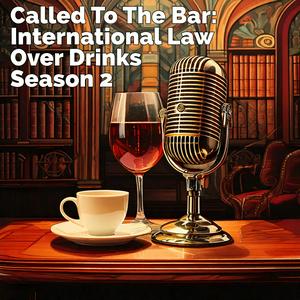 Descarga gratuita en la App Store
radio.es
Sleep timer
Favoritos
64 episodios
63. Bombing Caracas: The Use of Force, Abducting a Head of State, and the Unravelling of International Law
07/1/2026 | 1 h 15 min
In this special bonus episode of Called to the Bar, the full podcast crew assembles to confront the legal fallout from the US bombing of Venezuela and the abduction of its sitting president, Nicolás Maduro. With drinks in hand and very little patience for bad legal arguments, Juliette McIntyre is joined by Imogen Saunders (ANU), Tamsin Phillipa Paige (Deakin), Douglas Guilfoyle (UNSW Canberra), and Ntina Tzouvala (UNSW Sydney). The panel unpacks the manifest violations of the UN Charter, the limits of self-defence, and why this operation cannot be dressed up as humanitarian intervention or responsibility to protect. They examine state reactions—particularly the muted responses of Western governments - before turning to thornier doctrinal terrain: extraterritorial enforcement jurisdiction, head of state immunity, and the illegality of abducting a sitting president for domestic criminal prosecution. Drawing comparisons with Eichmann, Noriega, and Libya, the conversation explores how US domestic criminal law collides with international legal constraints - and why that collision may no longer trouble Washington. The episode closes with a sober reflection on whether this moment marks not the death of international law, but the rise of a far worse alternative: a world of hemispheric primacy, spectacle, and coercion without justification. Music: Music: Sam Barsh, Oils of Au Lait
62. Feminist Approaches to International Law in a Time of Authoritarian Capitalism - ANZSIL GSIL Roadshow
19/12/2025 | 45 min
In this special roadshow episode, Associate Professor Tamsin Phillipa Paige (Deakin University) takes Call to the Bar on the road to Melbourne for the Australian and New Zealand Society of International Law’s Gender, Sexuality and International Law (GSIL) Interest Group 2025 Workshop. Across two days of papers, panels, and conversations on feminist approaches to international law under authoritarian capitalism, Tamsin sits down with a remarkable group of scholars to hear about their current research and the ideas animating their work. We begin with Laura Godau (Hamburg), whose doctoral research interrogates how the European Court of Human Rights frames gender diversity in family-law jurisprudence. At the workshop dinner, Holly Cullen (Deakin/UWA) reflects on feminist judging, strategic litigation, and the joyful digressions of PhD life. Dr Sophie Rigney (RMIT) joins us to discuss abolitionist critiques of international criminal law and the carceral assumptions embedded within it. Dr Caitlin Biddulph (UTS) explores international courts as both exceptional and everyday sites of gendered violence, and the forms of legal harm they enact. We then hear from Adrienne Ringin (La Trobe), fresh from presenting on the Feminist Judges Project: Reimagining the ICC, before discussing her doctoral work on Australia’s role in drafting the Rome Statute. Joanne Stagg (Griffith) talks about her research into queer refugee claims and the troubling persistence of Western stereotypes in assessing gender and sexuality. Returning guest Dr Claerwyn O’Hara (Melbourne) shares archival insights into alternative feminist imaginaries of international economic law emerging from 1970s conferences. Travelling from Oxford, Carlos Zelada presents his work on how the Inter-American Court frames sexual violence—revealing stark divergences between cases involving women and men. Andréia Aguiar Paranaguá (La Trobe) introduces her early-stage research on reproductive justice and the criminalisation of abortion in Tocantins, Brazil, ahead of upcoming fieldwork. And finally, Associate Professor Tania Penovic (Deakin) examines how the far right and religious right strategically co-opt human rights language to erode gender equality, reproductive rights, and protections for LGBTQ+ communities. Listen in for a rich, wide-ranging snapshot of contemporary feminist critiques, emerging research, and the community that sustains this work. Music: Sam Barsh, Oils of Au Lait
61. End of year drinks: gangsterism as international law
13/12/2025 | 1 h 8 min
In the penultimate episode of Season 2, host Douglas Guilfoyle brings together the full Called to the Bar team — Tamsin Paige, Ntina Tzouvala, Juliette McIntyre, and Imogen Saunders — for their end-of-year drinks and a candid debrief (and group therapy session) on a tumultuous year in international law. From the explosion of advisory opinions, to debates over whether small states are pioneering new forms of legal statecraft or merely navigating the collapse of multilateral diplomacy, the panel wrestles with the big question: Was 2025 a turning point, and if so, toward what? Their answers range from despair to cautious optimism — with letter grades on international law's report card dipping well below an F. The team reflects on the erosion of legal justification in state practice, the strain on international courts, the possibility that the UN era is ending, and whether emerging forms of regionalism or “minilateralism” offer any hope. They also revisit the standout podcast episodes they learned from this year, and share their summer reading and viewing plans. Sound editing: Jamie Guilfoyle Music: Music: Sam Barsh, Oils of Au Lait
60. Publishing, Peer Review and What Editors Wish You Knew
04/12/2025 | 50 min
In Episode 60 of Called to the Bar, host Imogen Saunders (ANU) sits down with three leading journal editors — Prof Ingrid Brunk of the American Journal of International Law, Prof Liz Fisher of the Oxford Journal of Legal Studies, and Prof Jolyon Ford of the Australian Yearbook of International Law — to unpack the world of academic publishing in law. They discuss their paths into academia, what makes a submission stand out, how journals navigate contemporary controversies, and the responsibilities top outlets hold in supporting a diverse global scholarly community. A lively, candid, and deeply practical conversation, especially valuable for early-career researchers preparing their first submissions. Recommendations: Ingrid’s reading recommendation: The Trilogy, by Jon Fosse, https://dalkeyarchive.store/products/trilogy Liz’s recommendation: Prairie Fires, by Caroline Fraser: https://www.pulitzer.org/winners/caroline-fraser Two articles from Liz on legal research and publishing: https://academic.oup.com/jel/article/35/1/11/7026246 - seven tips on writing journal articles https://academic.oup.com/jel/article/33/3/521/6386710?login=false on the epistemic responsibility of journal editors Links to all three journals: https://www.cambridge.org/core/journals/american-journal-of-international-law https://brill.com/display/serial/AUST https://academic.oup.com/ojls Music: Sam Barsh, Oils of Au Lait
59. Gaza, the Trump Peace Plan and Security Council Resolution 2803
28/11/2025 | 1 h 1 min
In this episode of Called to the Bar - International Law over Drinks, Douglas Guilfoyle, Tamsin Philipa Paige, and Ntina Tzouvala gather (with hot chocolate, peppermint tea, and white wine) to unravel UN Security Council Resolution 2803 and its annexed “President Donald J. Trump’s Comprehensive Plan to End the Gaza Conflict.” Douglas reads through the resolution’s greatest hits, prompting the panel to ask: How does any of this align with self-determination and recent ICJ rulings? Can the Security Council effectively override jus cogens by legislative fiat? And why are we suddenly talking about “New Gaza,” overseen by a Board of Peace chaired by Donald J. Trump and Tony Blair? Tamsin breaks down Article 25, the veto, and why the Council has been structurally placed above the law. Ntina situates the resolution alongside the legal and economic experiments of Iraq and Kosovo—only this time, with even fewer nods to international legality. We close, as tradition demands, by asking: what are your current escape routes from international law? Cue Korean reality TV, unhinged ancient-Greek animation, and the meditative rage of sewing. Recommendations Tamsin Phillipa Paige, Petulant and Contrary: Approaches by the Permanent Five Members of the UN Security Council to the Concept of 'threat to the peace' under Article 39 of the UN Charter https://brill.com/display/title/54194 Ntina Tzouvala, Capitalism as Civilisation: A History of International Law https://www.cambridge.org/core/books/capitalism-as-civilisation/F66ABF447B13A75739D4644A8674EAD9 Antonios Tzanakopoulos, Disobeying the Security Council https://global.oup.com/academic/product/disobeying-the-security-council-9780199600762 Music: Sam Barsh, Oils of Au Lait
Más podcasts de Educación
 6 Minute EnglishEducación, Aprendizaje de idiomas
 Inglés desde ceroEducación, Aprendizaje de idiomas
 All Ears English PodcastEconomía y empresa, Educación, Aprendizaje de idiomas
 BBVA Aprendemos juntosArte, Educación, Música, Ciencias, Cultura y sociedad, Libros, Matemáticas, Filosofía, CATEGORY_NATURE
 Estoicismo FilosofiaEducación, Superación personal
 Dr. Mario Alonso PuigEducación, Superación personal
 Black Mango PodcastEducación
 Learning English ConversationsEducación, Aprendizaje de idiomas
 GÉNESIS 2:24 - PODCASTEducación, Noticias, Religión y espiritualidad, Política, Espiritualidad
 Ojalá lo hubiera sabido antesEducación, Superación personal
Podcasts a la moda de Educación
 Aprende Inglés Rápido: Un podcast para todos los niveles (principiante, intermedio, y avanzado)Educación, Aprendizaje de idiomas
 Begin Again with Davina McCallEducación, Salud y forma física, Cultura y sociedad, Salud mental, Superación personal
 5 minutos de inglés con Marcus CarterEducación, Cursos
 Dreaming Spanish Podcast – Chats in Beginner SpanishEducación, Aprendizaje de idiomas
 English in a MinuteEducación, Aprendizaje de idiomas
 Aprende italiano con LinguaBoostEducación, Cursos, Aprendizaje de idiomas
 Learn English | EnglishClass101.comEducación, Cultura y sociedad, Aprendizaje de idiomas, Lugares y viajes
 German Stories - Learn German with Stories | Deutsch lernen mit GeschichtenEducación, True crime, Aprendizaje de idiomas
 Martha DebayleEducación, Superación personal
 Spanish for False Beginners - Español para Falsos PrincipiantesEducación, Cursos, Aprendizaje de idiomas
 Daily Easy English Expression PodcastEducación, Aprendizaje de idiomas, Superación personal
 El podcast de María de MondoEducación, Superación personal
 Oposiciones Auxiliar Administrativo – Paso a PasoEducación
 Deutsch Podcast - Deutsch lernenEducación, Aprendizaje de idiomas
 Coffee Break EnglishEducación, Aprendizaje de idiomas
 Voy a Dejar de FumarEducación, Superación personal
 The Jefferson Fisher PodcastEducación, Cultura y sociedad, Relaciones, Superación personal
 Aprende Francés con Claudia En FranciaEducación, Cursos
 DianaUribe.fmEducación
 Aprender Inglés PodcastEducación, Aprendizaje de idiomas
 News in Slow Spanish (Intermediate)Educación, Noticias, Aprendizaje de idiomas
 BRIAN TRACY - SEMINARIO FENIX (ALTA CALIDAD)Educación
 Italiano con AmoreEducación, Aprendizaje de idiomas
 Le français avec FluiditéEducación, Cursos, Aprendizaje de idiomas
 Speak English with ESLPod.com - Learn English FastEducación, Cursos, Aprendizaje de idiomas
 El podcast de MAPI HERMIDAEducación, Superación personal
 The British English PodcastEducación, Cultura y sociedad, Aprendizaje de idiomas
 American English PodcastEducación, Historia, Cultura y sociedad, Aprendizaje de idiomas, Lugares y viajes
 Aprendiendo GTD y productividadEducación, Superación personal
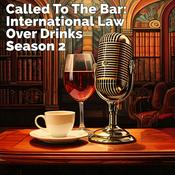 Called to the Bar: International Law over DrinksEducación
Acerca de Called to the Bar: International Law over Drinks
A podcast of informal conversation about topical issues in international law, life in academia and whatever else is on our mind. Hosted by Douglas Guilfoyle, Juliette McIntyre, Tamsin Paige, Imogen Saunders, and Nitna Tzouvala.
Music: Sam Barsh, Oils of Au Lait
Sitio web del podcastEscucha Called to the Bar: International Law over Drinks, 6 Minute English y muchos más podcasts de todo el mundo con la aplicación de radio.es
Descarga la app gratuita: radio.es
- Añadir radios y podcasts a favoritos
- Transmisión por Wi-Fi y Bluetooth
- Carplay & Android Auto compatible
- Muchas otras funciones de la app
Descarga la app gratuita: radio.es
- Añadir radios y podcasts a favoritos
- Transmisión por Wi-Fi y Bluetooth
- Carplay & Android Auto compatible
- Muchas otras funciones de la app

Called to the Bar: International Law over Drinks
Escanea el código,
Descarga la app,
Escucha.
Descarga la app,
Escucha.
 España